Open post

grundfos comfort pm manual

Grundfos Comfort PM Manual: A Comprehensive Guide

This manual details the safe installation, operation, and maintenance of the Grundfos Comfort PM circulation pump, covering models like COMFORT BA PM and BXA PM.

The Grundfos Comfort PM series represents a significant advancement in domestic hot water circulation technology. Designed for optimal comfort and energy efficiency, these pumps are integral to modern heating and cooling systems. This manual serves as a comprehensive resource for installers, operators, and maintenance personnel. It provides detailed guidance on every aspect of the Comfort PM pump, from initial unpacking and installation to troubleshooting and warranty information.

Understanding the core functionalities and features of the Comfort PM is crucial for maximizing its performance. The pump operates in multiple modes – AUTOADAPT, temperature control, and continuous – each tailored to specific heating demands. This guide will illuminate these modes and their respective settings, ensuring users can effectively manage their systems. Furthermore, it details the benefits of the Grundfos GO warranty, applicable to models like MAGNA3, TPE, NBE, and NKE.

Understanding the Comfort PM Series

The Grundfos Comfort PM series encompasses a range of electronically controlled circulation pumps designed for domestic hot water and heating systems. Models COMFORT BA PM and BXA PM are key examples, offering versatile operation through AUTOADAPT, temperature control, and continuous modes. These pumps are engineered for reliable performance and energy savings, adapting to varying heating demands.

A defining characteristic of the series is its compatibility with Grundfos GO, extending warranty coverage to five years for eligible models like MAGNA3, TPE, NBE, and NKE. This demonstrates Grundfos’ confidence in the product’s durability. Moreover, the pumps often feature wireless or infrared interfaces, enabling convenient parameterization and access to pre-configured function profiles via the Grundfos website, streamlining installation and setup for common applications.

Key Features and Benefits

The Grundfos Comfort PM series delivers significant advantages, starting with its adaptable operating modes: AUTOADAPT, temperature control, and continuous operation cater to diverse heating needs. The AUTOADAPT function intelligently adjusts pump performance, maximizing efficiency and minimizing energy consumption. Furthermore, the extended Grundfos GO warranty, up to five years, provides peace of mind for models like MAGNA3, TPE, NBE, and NKE;

Ease of use is enhanced by wireless/infrared connectivity, allowing for simplified parameterization and access to pre-set function profiles. This reduces installation time and ensures optimal performance. The pumps’ robust design and reliable operation contribute to long-term cost savings and a comfortable indoor climate, making them ideal for both residential and light commercial applications.

Installation Guide

Proper installation involves careful unpacking, inspection for damage, secure mounting, correct piping connections, and adherence to all electrical connection guidelines.

Unpacking and Inspection

Upon receiving your Grundfos Comfort PM pump, carefully unpack it and thoroughly inspect for any signs of damage that may have occurred during shipping. This includes checking the pump housing, motor, and all included components against the packing list found within the user manual.

Verify that all parts are present and undamaged before proceeding with installation. Note any discrepancies or damage immediately and contact your supplier or Grundfos directly to report the issue. Retain all packaging materials until the inspection is complete, as they may be required for a damage claim.

Ensure the pump model number on the packaging matches the one you ordered. A visual inspection should confirm the pump’s physical condition is acceptable for installation. Do not attempt to install a damaged pump.

Mounting and Piping Connections

Proper mounting and secure piping connections are crucial for optimal Grundfos Comfort PM pump performance and longevity. Select a suitable mounting location that provides adequate support and accessibility for maintenance. Ensure the pump is mounted securely to minimize vibration and noise.

When making piping connections, use appropriate materials compatible with the pumped fluid and adhere to local plumbing codes. Avoid excessive stress on the pump housing during pipe installation.

Ensure all connections are leak-proof before energizing the pump. Proper alignment of the piping is essential to prevent strain on the pump and ensure efficient operation. Follow the detailed diagrams provided in the manual for correct orientation and connection procedures.

Electrical Connections

Before making electrical connections to the Grundfos Comfort PM pump, always disconnect power to the circuit to prevent electrical shock. Verify the pump’s voltage and frequency requirements match the available power supply. Use appropriately sized wiring and conduit suitable for the application and local electrical codes.

Ensure a reliable grounding connection is established for safety. Carefully follow the wiring diagram provided in the manual, paying close attention to the terminal designations.

Double-check all connections for tightness and proper insulation before restoring power. For pumps with wireless or infrared interfaces, confirm correct antenna connection for functionality. Improper electrical connections can damage the pump and void the warranty.

Operation and Control

The Grundfos Comfort PM operates in AUTOADAPT, temperature control, and continuous modes, offering flexible control for heating and cooling systems.

Operating Modes: AUTOADAPT, Temperature Control, Continuous

The Grundfos Comfort PM series pumps, including COMFORT BA PM and BXA PM models, provide three distinct operating modes to optimize performance and energy efficiency. AUTOADAPT intelligently adjusts pump speed based on heating demand, ensuring optimal comfort and minimizing energy consumption. Temperature Control mode allows users to set a desired water temperature, with the pump modulating to maintain that specific level. Finally, Continuous Mode operates the pump at a constant, pre-defined speed, suitable for applications requiring consistent circulation.

These modes offer versatility for various heating and cooling system configurations, allowing for tailored operation based on specific needs and preferences. Understanding each mode is crucial for maximizing the pump’s benefits and achieving optimal system performance.

AUTOADAPT Mode Explained

AUTOADAPT mode is a key feature of the Grundfos Comfort PM pump, designed for intelligent and energy-efficient operation. This mode automatically adjusts the pump’s speed based on the heating demand of the system, learning and adapting to the building’s characteristics and usage patterns. It continuously monitors the temperature difference between the supply and return lines, modulating pump speed to maintain optimal hydraulic balance.

By minimizing unnecessary circulation, AUTOADAPT significantly reduces energy consumption and noise levels compared to traditional fixed-speed pumps. It eliminates the need for manual adjustments, providing a truly “set and forget” solution for consistent comfort and efficiency. This mode is ideal for most residential heating applications.

Temperature Control Mode Settings

In Temperature Control Mode, the Grundfos Comfort PM pump operates based on a setpoint temperature, typically determined by a room thermostat or external controller. Users can precisely define the desired water temperature for the heating system, and the pump will adjust its speed to maintain that temperature consistently.

This mode offers greater control over heating output, allowing for customized comfort levels and energy savings. Settings often include options for proportional band adjustment, influencing the pump’s responsiveness to temperature fluctuations. Careful calibration is crucial for optimal performance, ensuring accurate temperature maintenance and preventing overheating or underheating.

Continuous Mode Operation

When operating in Continuous Mode, the Grundfos Comfort PM pump runs at a consistently selected speed, disregarding temperature feedback or external control signals. This mode is best suited for applications requiring a constant flow rate, irrespective of heating demand. Users manually set the pump’s speed, typically using a percentage value or pre-defined speed setting.

While simple to operate, Continuous Mode may not be the most energy-efficient option, as the pump continues running at the set speed even when heating isn’t needed. It’s ideal for systems where consistent circulation is paramount, such as maintaining a minimum flow to prevent stagnation or frost damage.

Technical Specifications

Detailed performance curves, head, flow rate, and temperature data for the Grundfos Comfort PM series are provided, including models like COMFORT 15-14 B(A) PM.

Performance Curves and Data

The Grundfos Comfort PM manual incorporates comprehensive performance curves illustrating the pump’s head-flow characteristics across a range of operating conditions. These curves are essential for selecting the appropriate pump size for specific heating and cooling system requirements. Data presented includes the relationship between flow rate (typically measured in m³/h) and head (expressed in meters), alongside efficiency ratings.

Furthermore, the manual details performance data at varying fluid temperatures, acknowledging the impact of temperature on pump efficiency and capacity. Users can accurately assess the pump’s suitability for their application by referencing these curves and data points. The documentation for models like COMFORT 15-14 B(A) PM specifically outlines these crucial performance parameters, ensuring optimal system performance and energy efficiency.

Technical Data: Head, Flow Rate, Temperature

The Grundfos Comfort PM manual provides detailed technical specifications crucial for proper system integration. For the COMFORT 15-14 B PM model, the manual specifies a head of 1.2 meters and a flow rate of 0.6 m³/h. These values are fundamental for calculating system pressure and ensuring adequate circulation.

Temperature operating ranges are also clearly defined, indicating the fluid temperature limits within which the pump can operate efficiently and safely. This data is vital for preventing pump damage and maintaining optimal performance. The manual emphasizes that variations in fluid temperature will affect both head and flow rate, necessitating careful consideration during system design and operation. Accurate technical data ensures compatibility and longevity.

Troubleshooting

This section details common issues, solutions, and error codes for the Grundfos Comfort PM pump, aiding in quick diagnosis and efficient repair procedures.

Common Issues and Solutions

Addressing typical problems with your Grundfos Comfort PM pump is crucial for maintaining optimal performance. A frequent issue involves insufficient flow, often caused by airlocks within the system; bleeding the system resolves this. Noise can stem from cavitation, indicating low inlet pressure or debris – check for obstructions and ensure adequate fluid levels.

Electrical faults, though less common, may manifest as pump failure; verify power supply and wiring connections. If the pump fails to start in AUTOADAPT mode, confirm the correct settings and sensor functionality. Regularly inspect for leaks around piping connections and the pump housing itself. For persistent issues, consult the error code section to pinpoint the exact problem and appropriate corrective action. Remember to always disconnect power before performing any maintenance or troubleshooting.

Error Codes and Their Meanings

The Grundfos Comfort PM pump utilizes error codes to diagnose internal issues, simplifying troubleshooting. A flashing code indicates a problem requiring attention. For example, a code signaling “Motor Overload” suggests excessive pump demand or a potential motor fault – reduce system load or contact service. “Sensor Error” indicates a faulty temperature sensor, necessitating replacement.

“Communication Failure” points to a connectivity issue with external controls. Refer to the manual’s comprehensive error code list for a complete explanation of each code and recommended solutions. Ignoring error codes can lead to further damage and reduced pump lifespan. Always document the error code before attempting any repairs and consult a qualified technician if unsure.

Warranty Information

Grundfos offers a GO Warranty, up to five years, on select pumps like the MAGNA3, TPE, NBE, and NKE, starting from commissioning date.

Grundfos GO Warranty Details

The Grundfos GO Warranty represents a significant commitment to product reliability, offering full five-year security from the pump’s initial commissioning. This extended warranty is specifically available for the MAGNA3 series and those models equipped with the MGE motor – encompassing the TPE, NBE, and NKE ranges.

This warranty is particularly geared towards pumps commonly found in larger heating, ventilation, and air conditioning (HVL) systems, acknowledging their critical role in these installations. Beyond the standard coverage, Grundfos GO leverages the pump’s electronic control and wireless/infrared interfaces.

Furthermore, pre-configured function profiles, accessible via the Grundfos website under “Service to Go,” streamline parameterization for the MAGNA3 pumps, enhancing both efficiency and safety during setup.

Warranty Coverage for Specific Models (MAGNA3, TPE, NBE, NKE)

The Grundfos GO Warranty provides comprehensive coverage for select pump series, ensuring peace of mind for users. The MAGNA3 range is fully included, benefiting from the full five-year warranty period commencing upon commissioning.

Equally important, pumps within the TPE, NBE, and NKE series, specifically those equipped with the MGE motor, are also eligible for this extended warranty. This targeted approach reflects Grundfos’ confidence in the durability and performance of these specific configurations.

This warranty is designed for pumps typically utilized in larger HVAC systems, recognizing their vital function. Utilizing “Service to Go” function profiles further optimizes pump performance and simplifies setup, contributing to long-term reliability and warranty validity.

Maintenance and Service

Regular maintenance is crucial for optimal performance. Utilize Grundfos “Service to Go” function profiles for streamlined procedures and extended pump lifespan.

Regular Maintenance Procedures

To ensure the longevity and efficient operation of your Grundfos Comfort PM pump, consistent maintenance is paramount. Periodically inspect the pump and piping connections for any signs of leakage or corrosion. Verify that the pump is securely mounted and free from excessive vibration.

Check the electrical connections to confirm they remain tight and undamaged. It’s advisable to regularly monitor the pump’s performance parameters, such as head and flow rate, to detect any deviations from the expected values.

Furthermore, leverage the “Service to Go” function profiles offered by Grundfos. These pre-configured settings optimize pump operation for specific applications, reducing the need for manual adjustments and potentially preventing issues. Following these procedures will contribute to a reliable and long-lasting pumping system.

Grundfos Service to Go – Function Profiles

Grundfos’ “Service to Go” provides pre-configured function profiles designed to streamline the parameterization of electronically controlled Grundfos pumps, including the Comfort PM series, particularly the MAGNA3. These profiles offer a time-saving and secure method for setting up pumps for typical applications.

By utilizing these profiles, users can avoid complex manual adjustments, ensuring optimal pump performance and efficiency. Access to these profiles is conveniently available on the Grundfos website. This feature is especially beneficial for larger HVAC systems where multiple pumps require consistent and reliable operation.

The profiles simplify the commissioning process, reducing the risk of errors and maximizing the benefits of Grundfos pump technology. They represent a valuable resource for installers and maintenance personnel.

Open post

2022 harley-davidson service manual pdf free download

2022 Harley-Davidson Service Manual PDF Free Download: A Comprehensive Guide

Harley-Davidson released 13 new models for 2026, including Street Glide Limited and Road Glide Limited. Finding a 2022 service manual is vital for owners seeking detailed repair information and maintenance schedules.

Understanding Harley-Davidson Service Manuals

Harley-Davidson service manuals are the definitive resource for owners and mechanics alike, offering an exhaustive compilation of information crucial for maintaining, diagnosing, and repairing these iconic motorcycles. These manuals transcend simple “how-to” guides; they represent a detailed engineering blueprint of each model year, providing exploded diagrams, torque specifications, and step-by-step procedures.

A genuine Harley-Davidson service manual isn’t merely a collection of instructions. It’s a meticulously crafted document developed by the manufacturer, ensuring accuracy and adherence to factory standards. Understanding the intricacies within – from engine rebuilds to electrical system troubleshooting – empowers owners to perform maintenance tasks confidently, potentially saving significant costs associated with professional servicing.

The 2026 model updates, including the Street Glide Limited and Road Glide Limited, highlight the continuous evolution of Harley-Davidson technology. Consequently, referencing the correct year’s manual is paramount. While some procedures may carry over, specific components and systems will differ, making an outdated manual unreliable and potentially leading to incorrect repairs. These manuals are essential for preserving the longevity and performance of your investment.

Why a 2022 Service Manual is Crucial

Possessing a 2022 Harley-Davidson service manual is particularly crucial for owners of models from that year, offering unparalleled insight into their machine’s specific mechanics. While newer models like the 2026 Street Glide Limited and Road Glide Limited boast advancements, the 2022 models represent a distinct generation with unique service requirements.

The manual provides detailed guidance on everything from routine maintenance – oil changes, filter replacements, and brake adjustments – to complex repairs involving the engine, drivetrain, and electrical systems. Attempting repairs without the proper documentation can lead to costly mistakes, void warranties, and compromise rider safety.

Furthermore, the 2022 manual details specific procedures for CVO, Touring, and Liberty Edition models, acknowledging their unique features and components. Access to this information empowers owners to proactively address potential issues, ensuring optimal performance and extending the lifespan of their Harley-Davidson motorcycle. It’s an investment in peace of mind and long-term ownership.

Legality and Risks of Free PDF Downloads

Downloading a 2022 Harley-Davidson service manual as a free PDF often presents legal and security risks. Harley-Davidson retains copyright over its service manuals, meaning unauthorized distribution constitutes infringement. Obtaining a manual from unofficial sources could expose you to legal repercussions, though enforcement varies.

More concerning are the security threats. Websites offering “free” downloads frequently harbor malware, viruses, and spyware, potentially compromising your computer and personal data. These malicious programs can steal sensitive information or render your system unusable. The files themselves may be corrupted or incomplete, rendering the manual useless for repairs.

Furthermore, free PDFs may contain inaccurate or outdated information, leading to improper maintenance and potentially dangerous mechanical failures. Considering the complexity of modern motorcycles, especially models like the 2026 Street Glide Limited, relying on unreliable sources is a significant gamble. Prioritizing legitimate sources, even if paid, safeguards your investment and ensures accurate, safe repairs.

Official Harley-Davidson Sources for Manuals

Harley-Davidson offers several official avenues for acquiring service manuals, ensuring authenticity and accuracy. The official Harley-Davidson website is the primary source, providing both physical and digital versions. Digital manuals are often accessible through a subscription service, granting access to a comprehensive library of information for various models, including the latest 2026 releases like the Road Glide Limited.

Authorized Harley-Davidson dealerships are another reliable option. Dealership service departments can order physical manuals directly from Harley-Davidson, and their technicians can often assist with locating the correct manual for your specific motorcycle. This provides an opportunity for expert advice and clarification.

Harley-Davidson also partners with certain publishing companies to produce official service manuals. These publications are available through major booksellers and online retailers. While potentially more expensive than unofficial sources, purchasing directly from Harley-Davidson or its authorized partners guarantees a legitimate, up-to-date, and safe resource for maintaining your motorcycle.

Third-Party Websites Offering Service Manuals

Numerous third-party websites claim to offer 2022 Harley-Davidson service manuals in PDF format, often advertised as “free downloads.” These sites vary significantly in quality and legitimacy. While the allure of a free manual is strong, caution is paramount. Many such websites host outdated, incomplete, or even inaccurate information, potentially leading to improper repairs and safety hazards.

Some platforms operate as online marketplaces, where individuals sell digital copies of service manuals. The authenticity of these listings can be questionable, and there’s a risk of purchasing a corrupted or unusable file. Others employ aggressive advertising tactics and may redirect users to malicious websites containing viruses or malware.

Before downloading from any third-party source, thoroughly research the website’s reputation and read user reviews. Be wary of sites requesting excessive personal information or demanding payment through unsecured methods. Remember, the official Harley-Davidson resources, while potentially costing more, offer the most reliable and trustworthy information for maintaining your motorcycle, including the new 2026 models.

Common Issues Addressed in the 2022 Manual

The 2022 Harley-Davidson service manual comprehensively addresses prevalent issues experienced across various models. Detailed procedures are provided for diagnosing and rectifying common electrical system faults, including charging system malfunctions, lighting problems, and sensor failures. Engine-related concerns, such as oil leaks, excessive noise, and performance degradation, receive extensive coverage, outlining step-by-step repair instructions.

Braking system maintenance is a significant focus, with guidance on pad replacement, rotor inspection, and hydraulic system bleeding. The manual also tackles suspension issues, detailing fork oil changes, shock absorber adjustments, and troubleshooting handling irregularities. Specific attention is given to the unique requirements of CVO, Touring, Street Glide, Road Glide, and Liberty Edition models.

Furthermore, the manual provides detailed troubleshooting steps for frequently reported problems, ensuring owners and mechanics can efficiently identify and resolve issues. With the release of the 2026 models, understanding these foundational issues remains relevant for maintaining older bikes.

Engine and Drivetrain Service

The 2022 Harley-Davidson service manual dedicates substantial sections to engine and drivetrain service procedures; Detailed instructions cover complete engine removal and installation, alongside comprehensive cylinder head servicing, including valve adjustments and porting. Piston and connecting rod replacement procedures are meticulously outlined, ensuring proper torque specifications and clearances are maintained.

Drivetrain service encompasses clutch repair and adjustment, transmission disassembly and inspection, and primary drive maintenance. The manual provides guidance on diagnosing and resolving common issues like slipping clutches, noisy transmissions, and oil leaks. Specific attention is paid to the intricacies of the Harley-Davidson belt drive system, covering belt tensioning, alignment, and replacement.

Furthermore, the manual details fuel system service, including carburetor cleaning and adjustment (where applicable), fuel pump testing, and injector servicing. With the 2026 model updates, understanding these core engine and drivetrain procedures remains crucial for maintaining peak performance.

Electrical System Troubleshooting

The 2022 Harley-Davidson service manual provides extensive guidance on electrical system troubleshooting, vital for diagnosing complex issues. It includes detailed wiring diagrams for all models, facilitating accurate tracing of circuits and identification of faulty components. Procedures for testing the charging system – including the alternator, regulator, and battery – are thoroughly explained, alongside starter motor and solenoid diagnostics.

The manual covers lighting system troubleshooting, addressing common problems like dim headlights or malfunctioning turn signals. It details the operation of the motorcycle’s electronic control unit (ECU) and provides diagnostic procedures for sensor failures and communication errors. Specific attention is given to the Harley-Davidson infotainment systems, including audio and navigation troubleshooting.

Furthermore, the manual outlines procedures for testing and repairing switches, relays, and fuses. Understanding these electrical systems is paramount, especially considering the increasing complexity of modern motorcycles and the 2026 model enhancements.

Braking System Maintenance

The 2022 Harley-Davidson service manual dedicates significant attention to braking system maintenance, crucial for rider safety. It provides step-by-step instructions for inspecting brake pads, rotors, and lines for wear and damage. Detailed procedures are included for bleeding the brake system, ensuring optimal hydraulic pressure and lever feel. The manual covers both traditional hydraulic brake systems and any advanced systems featured on CVO or Touring models.

Specific guidance is offered on adjusting brake calipers and master cylinders for proper operation. Troubleshooting sections address common issues like spongy brakes, brake fade, and uneven wear. The manual also details the removal and installation of brake components, including calipers, rotors, and master cylinders.

Furthermore, it outlines the correct torque specifications for all brake-related fasteners, vital for preventing leaks and ensuring secure assembly. Maintaining the braking system according to these guidelines is essential, especially with the introduction of new models in 2026.

Suspension and Steering Adjustments

The 2022 Harley-Davidson service manual provides comprehensive guidance on suspension and steering adjustments, vital for optimizing handling and rider comfort. Detailed instructions cover front and rear suspension adjustments, including preload, compression damping, and rebound damping. Specific procedures are outlined for different suspension components, catering to Touring, CVO, and Liberty Edition models;

The manual details how to properly adjust steering head bearings for smooth and precise steering. It includes troubleshooting sections addressing common issues like excessive steering play or stiffness. Procedures for inspecting and replacing steering head bearings are also included.

Torque specifications for all suspension and steering components are clearly stated, ensuring correct assembly and preventing damage. With Harley-Davidson continually updating its models – evidenced by the 13 new releases for 2026 – understanding these adjustments remains crucial for maintaining peak performance.

CVO Models: Specific Service Considerations

CVO (Custom Vehicle Operations) models demand specialized service procedures due to their unique components and premium finishes. The 2022 Harley-Davidson service manual dedicates specific sections to these high-end motorcycles, detailing differences from standard models. Particular attention is given to the intricate paint schemes and custom parts requiring careful handling during disassembly and reassembly.

The manual outlines procedures for servicing CVO-exclusive features like advanced audio systems, custom lighting, and specialized engine components. Torque specifications are often unique to CVO models, and the manual provides precise values to prevent damage. Troubleshooting guides address issues specific to CVO systems, such as complex electrical faults.

Given Harley-Davidson’s 2026 lineup includes continued CVO offerings alongside new Street Glide Limited and Road Glide Limited models, understanding these specialized service considerations is paramount for owners and technicians alike.

Touring Models: Detailed Repair Procedures

Touring models, like the Street Glide and Road Glide, represent Harley-Davidson’s commitment to long-distance comfort and performance. The 2022 service manual provides exhaustive repair procedures for these complex machines, covering everything from routine maintenance to major overhauls. Detailed diagrams illustrate component locations and disassembly sequences, crucial for tackling intricate repairs.

Specific sections address the unique features of touring bikes, including fairing removal, windshield adjustments, and heated seat servicing. The manual offers step-by-step instructions for diagnosing and repairing the advanced infotainment systems found in many touring models. Suspension service, a critical aspect of touring bike maintenance, receives comprehensive coverage.

With Harley-Davidson unveiling updated Street Glide Limited and Road Glide Limited for 2026, referencing the foundational repair knowledge in the 2022 manual remains valuable for understanding core system functionality.

Street Glide and Road Glide Specifics

The 2022 Harley-Davidson service manual dedicates significant attention to the Street Glide and Road Glide, two of the brand’s most iconic touring models. These bikes share a common platform but possess unique components requiring specialized service procedures. The manual details the intricacies of the Road Glide’s frame-mounted fairing, offering guidance on removal, repair, and reinstallation.

Street Glide owners benefit from detailed instructions on servicing the shark nose fairing and its integrated audio systems. Both models feature complex electrical systems, and the manual provides comprehensive wiring diagrams and troubleshooting guides. Specific attention is given to the boom audio systems, addressing common issues and upgrade procedures.

Considering Harley-Davidson’s 2026 updates, including the new Street Glide Limited and Road Glide Limited, the 2022 manual’s foundational information remains essential for understanding the underlying mechanics.

Liberty Edition Models: Unique Features & Service

Harley-Davidson’s Liberty Edition models, introduced to commemorate significant anniversaries, often feature exclusive paint schemes and trim. The 2022 service manual acknowledges these aesthetic differences, emphasizing that underlying mechanical components largely align with standard models. However, the manual highlights the importance of careful disassembly when dealing with unique bodywork to avoid damage.

Specific attention is given to any model-specific accessories included with the Liberty Edition, such as upgraded audio systems or custom lighting. The manual provides wiring diagrams and troubleshooting steps tailored to these additions. Paint care and detailing are also addressed, offering guidance on maintaining the pristine finish of these commemorative bikes.

With Harley-Davidson continuing to release special editions, like the 2026 models, understanding the core service procedures outlined in the 2022 manual remains crucial for owners and technicians alike.

Troubleshooting Common 2022 Harley-Davidson Problems

The 2022 Harley-Davidson service manual dedicates significant sections to diagnosing prevalent issues reported by owners. Common complaints often revolve around the electrical system, specifically concerning the infotainment systems and charging irregularities. The manual provides detailed flowcharts and testing procedures to pinpoint the source of these problems, ranging from faulty wiring to module failures.

Engine-related concerns, such as rough idling or decreased performance, are also thoroughly covered. Diagnostic steps include checking fuel delivery, ignition timing, and compression. The manual emphasizes the importance of using the correct diagnostic tools and interpreting error codes accurately.

As Harley-Davidson introduces new models, like the 2026 lineup, understanding these established troubleshooting techniques from the 2022 manual provides a solid foundation for addressing potential issues across various model years.

Tools Required for Harley-Davidson Service

The 2022 Harley-Davidson service manual outlines a comprehensive list of tools essential for performing maintenance and repairs. Beyond standard mechanics’ sets, specialized tools are frequently required due to the unique design of Harley-Davidson motorcycles. These include specific socket sizes for engine components, diagnostic cables for accessing the bike’s computer systems, and tools for servicing the fuel injection system.

The manual stresses the importance of using the correct tools to avoid damaging parts or compromising safety. Torque wrenches are crucial for tightening fasteners to the manufacturer’s specifications, preventing over-tightening or loosening. Digital multimeters are essential for electrical diagnostics, and specialized pullers are often needed for removing stubborn components.

As Harley-Davidson continues to innovate with models like the 2026 lineup, the need for updated diagnostic tools and specialized equipment will likely increase, but the foundational tools remain consistent.

Alternatives to PDF Manuals: Online Resources & Apps

While a 2022 Harley-Davidson service manual PDF offers convenience, several alternatives provide access to service information. The official Harley-Davidson website features a wealth of resources, including parts diagrams, owner’s manuals, and troubleshooting guides. Online forums dedicated to Harley-Davidson motorcycles are invaluable, offering a platform for owners to share experiences and solutions.

Several mobile applications provide digital service manuals and repair guides, often with interactive diagrams and video tutorials. These apps can be accessed on smartphones or tablets, making them ideal for on-the-go reference. Some apps offer subscription-based access to a comprehensive library of service information.

Considering the 2026 model updates, staying current with information is vital. These resources, alongside the official Harley-Davidson dealer network, provide support beyond a static PDF, ensuring owners have access to the latest repair procedures.

2026 Harley-Davidson Model Updates & Manual Relevance

Harley-Davidson unveiled 13 new models for 2026, encompassing Touring, Trike, CVO, and Liberty Edition lines. While a 2022 Harley-Davidson service manual PDF remains valuable for owners of those model years, understanding its relevance alongside newer models is crucial. Significant updates, like the new Street Glide Limited and Road Glide Limited, introduce revised components and systems.

Although core engine and drivetrain principles often carry over, specific repair procedures and diagnostic information will differ. Owners of 2022 models should still utilize their manuals for foundational knowledge, but supplement it with updates from official Harley-Davidson sources for 2026 changes.

Accessing the latest information through the official website, dealer networks, or updated digital resources ensures accurate maintenance and repair, preventing potential issues arising from applying outdated procedures to newer motorcycle designs.

Open post

hp laserjet p1102w instruction manual

HP LaserJet P1102w Instruction Manual: A Comprehensive Guide

This manual details the HP LaserJet P1102w, offering setup, printing, maintenance, and troubleshooting guidance.

Downloadable PDFs and online resources from HP support are readily available for comprehensive assistance.

The HP LaserJet P1102w is a compact, wireless mono laser printer designed for home and small office use. This printer offers a cost-effective printing solution with its energy-efficient design and automatic on/off technology. It’s known for delivering professional-quality documents quickly and reliably.

This instruction manual serves as a comprehensive guide to help you set up, operate, and maintain your P1102w printer. You’ll find detailed instructions on everything from initial unboxing and driver installation to advanced printing features and troubleshooting common issues. Accessing the HP support website provides additional downloadable resources, including the full user manual in PDF format, ensuring you have all the information needed for optimal performance.

The P1102w prioritizes simplicity and ease of use, making it an excellent choice for users seeking a straightforward printing experience.

Unboxing and Initial Setup

Carefully unpack your HP LaserJet P1102w, ensuring all components are present: the printer, power cord, starter toner cartridge, and documentation. Remove all packing materials, both inside and outside the printer. Connect the power cord to the printer and a wall outlet – the printer may automatically power on.

Before proceeding, locate the documentation, which includes important safety information and setup instructions. Download the full user manual from the HP website for detailed guidance. Initial setup involves installing the printer driver on your computer (see subsequent sections for Windows and macOS instructions).

Finally, connect the printer to your Wi-Fi network for wireless printing capabilities. This allows convenient printing from multiple devices without direct cable connections.

Printer Overview: Key Features and Components

The HP LaserJet P1102w is a compact, monochrome laser printer designed for home and small office use. Key features include wireless connectivity (Wi-Fi), automatic setup with HP Auto Wireless Connect, and instant-on technology for quick printing. It boasts a print speed of up to 21 pages per minute, delivering efficient document production.

Essential components include the control panel with buttons and indicators, the paper tray accommodating standard paper sizes, and the access door for toner cartridge replacement. The rear panel features a USB port for direct printing from a USB drive.

Its sleek design and compact footprint make it ideal for limited workspace environments.

Getting Started: Installation and Configuration

Begin by installing the correct printer driver for your operating system (Windows or macOS).

Then, connect the printer to your Wi-Fi network for wireless printing capabilities.

Installing the Printer Driver (Windows)

To install the HP LaserJet P1102w driver on Windows, first, visit the official HP support website. Search for your printer model (P1102w) and download the full feature software or basic driver package.

Run the downloaded installer and follow the on-screen instructions. The wizard will guide you through the process, prompting you to accept the license agreement and choose the installation type.

Select a connection method – USB or wireless. For wireless, ensure your printer is connected to the same network as your computer. The installer will automatically detect the printer.

Complete the installation and test the printer by printing a test page. If issues arise, restart both your computer and printer, and try the installation again.

Installing the Printer Driver (macOS)

To install the HP LaserJet P1102w driver on macOS, begin by visiting the HP support website. Locate your printer model and download the appropriate driver package specifically designed for macOS.

Open the downloaded .dmg file and follow the on-screen prompts. The installer will guide you through the setup process, requiring you to agree to the software license.

macOS often automatically detects the printer upon connection via USB or Wi-Fi. If not, manually add the printer through System Preferences > Printers & Scanners.

Select the HP LaserJet P1102w from the list of available printers. Ensure the correct driver is selected. Complete the installation and print a test page to verify functionality.

Connecting to a Wi-Fi Network

To connect your HP LaserJet P1102w to Wi-Fi, access the printer’s embedded web server (EWS). This is typically done by entering the printer’s IP address into a web browser. Alternatively, utilize HP Auto Wireless Connect, simplifying the process.

Within the EWS, navigate to the Networking or Wireless settings. Select your Wi-Fi network from the available list and enter the correct password when prompted.

Ensure the printer is within range of your Wi-Fi router for a stable connection. Once connected, verify the connection status on the printer’s control panel or within the EWS.

Successful connection enables wireless printing from various devices on your network.

Understanding the Control Panel

The control panel features buttons and indicators for power, cancel, and toner status.

A simple display screen provides printer status and menu navigation options for easy control.

Control Panel Buttons and Indicators

The HP LaserJet P1102w’s control panel is designed for simplicity and ease of use. It features a limited number of buttons and indicators, focusing on essential printer functions. The Power button, typically marked with the universal power symbol, allows you to turn the printer on and off. The Cancel button, often represented by an ‘X’, is used to stop a print job in progress.

LED indicators provide visual cues about the printer’s status. A Ready indicator illuminates when the printer is idle and ready to print. A Toner Low indicator alerts you when the toner cartridge is running low and needs replacement. An Attention indicator signals errors or requires user intervention, such as a paper jam. These indicators offer quick, at-a-glance information about the printer’s operational state, simplifying everyday use.

Navigating the Printer Menu

The HP LaserJet P1102w utilizes a streamlined menu system, accessible through the control panel buttons. While lacking a full display screen, the printer allows for basic configuration adjustments. Pressing the Cancel button and the Power button simultaneously, or in a specific sequence, often initiates menu options.

These options typically include report printing, network configuration, and toner status checks. The Attention light will often blink in patterns to indicate different menu items or settings. Refer to the full user manual (available for download from HP’s website) for the precise button combinations and blink code interpretations. Understanding these sequences enables users to customize printer settings and troubleshoot potential issues effectively.

Understanding the Display Screen

The HP LaserJet P1102w is notably designed without a dedicated LCD display screen. Instead, it relies on a series of LED indicators – the Power, Attention, and Toner lights – to communicate printer status and potential issues. These lights blink in specific patterns to convey information, such as low toner, paper jams, or network connectivity problems.

Interpreting these blink codes requires referencing the comprehensive user manual, downloadable from the HP support website. The manual details each blink sequence and its corresponding meaning. While the absence of a screen simplifies the printer’s design, it places greater emphasis on understanding the LED communication system for effective operation and troubleshooting.

Printing Basics

Load paper correctly into the tray, ensuring proper alignment.

Print a test page to verify functionality and settings.

Loading Paper into the Tray

Proper paper loading is crucial for successful printing with your HP LaserJet P1102w. First, extend the paper tray fully. Adjust the paper guides to match the width of your paper; ensure they aren’t too tight, allowing the paper to move freely. Fan the stack of paper to prevent sticking, then load it face down into the tray.

Avoid overfilling the tray, as this can cause paper jams. The tray has maximum capacity indicators – do not exceed these limits. Ensure the paper is flat and aligned with the edges of the tray. Once loaded, gently push the tray back into the printer. The printer will automatically detect the paper size, but you can verify this setting in the print dialog box.

Printing a Test Page

Printing a test page verifies your HP LaserJet P1102w is functioning correctly. From the printer’s control panel, navigate to the ‘Reports’ menu. Select ‘Print Reports’ and then choose ‘Test Page’. This will initiate a diagnostic print, confirming the printer’s internal components are working as expected.

Alternatively, you can print a test page from your computer. In Windows, access the ‘Devices and Printers’ control panel, right-click on your HP LaserJet P1102w, and select ‘Printer Properties’. Navigate to the ‘General’ tab and click ‘Print Test Page’. A successful test page indicates proper driver installation and connectivity.

Basic Print Settings (Paper Size, Quality)

Adjusting print settings ensures optimal output from your HP LaserJet P1102w. Access these settings through the printer driver on your computer. Under ‘Paper Size’, select the appropriate dimensions for your document – commonly A4 or Letter. The ‘Paper Type’ option allows you to specify the media being used, influencing print quality.

Print Quality settings control the resolution and darkness of your prints. Choose ‘Draft’ for quick, economical prints, ‘Normal’ for everyday documents, and ‘Best’ for high-quality images or text. Experiment with these settings to achieve your desired results. Remember to save your preferred settings for future use.

Advanced Printing Features

Explore duplex printing, mobile device compatibility, and multi-page printing options with your HP LaserJet P1102w for enhanced functionality.

Duplex Printing (Two-Sided Printing)

Enable automatic two-sided printing to conserve paper and reduce environmental impact with your HP LaserJet P1102w. Access this feature through the print dialog box on your computer. Locate the settings for “Layout” or “Finishing” and select the “Print on Both Sides” option.

You may need to choose a binding edge – either long edge or short edge – depending on how you want the pages to be bound after printing. The printer will automatically flip the paper over to print on the reverse side. This is a cost-effective and environmentally friendly printing method, ideal for documents that don’t require a specific page orientation. Remember to verify your paper type is suitable for duplex printing to avoid jams.

Printing Multiple Pages per Sheet

Conserve paper and create compact layouts by printing multiple pages onto a single sheet with your HP LaserJet P1102w. Within the print dialog box, navigate to the “Page Layout” or “Multiple Pages per Sheet” settings. Here, you can specify the number of pages you wish to print on each sheet – options typically include 2×2, 2×1, or 4×2.

Adjust the page order to suit your needs, choosing between horizontal or vertical arrangements. This feature is particularly useful for drafts, proofs, or presentations where minimizing paper usage is a priority. Preview your layout before printing to ensure the desired arrangement. Ensure sufficient margins are selected to prevent text from being cut off during printing.

Printing from Mobile Devices

Effortlessly print directly from your smartphone or tablet to the HP LaserJet P1102w using HP’s ePrint or Apple AirPrint technologies. Ensure your printer and mobile device are connected to the same Wi-Fi network. With HP ePrint, you can email documents to a unique printer email address, initiating automatic printing.

For AirPrint, simply open the document on your iOS device and select the print option. Your printer should appear in the list of available printers. Verify network connectivity and printer status for seamless mobile printing. Download the HP Smart app for enhanced features and control over your printing experience from your mobile device.

Maintenance and Troubleshooting

Regular cleaning prevents issues, while resolving paper jams and common printing errors ensures optimal performance.

HP support offers detailed guides for effective printer maintenance and troubleshooting solutions.

Cleaning the Printer

Maintaining a clean HP LaserJet P1102w is crucial for consistent print quality and longevity. Regularly remove any loose paper fragments or debris from the paper path, including the paper tray and around the toner cartridge area. Use a soft, lint-free cloth, slightly dampened with water, to gently wipe the exterior surfaces of the printer.

Avoid using abrasive cleaners or solvents, as these can damage the printer’s finish. For internal cleaning, it’s generally recommended to avoid disassembling the printer beyond what’s necessary for routine maintenance like toner replacement. Dust accumulation can be minimized by keeping the printer in a clean environment. Refer to the official HP documentation for specific cleaning instructions and diagrams, ensuring safe and effective cleaning practices.

Resolving Paper Jams

Paper jams are a common issue, but easily addressed with care. First, power off and unplug the HP LaserJet P1102w. Gently remove the paper tray and inspect for any visible obstructions. Carefully pull out any jammed paper, avoiding tearing, as small fragments can cause further issues. Check the paper path within the printer, including the duplexer (if applicable), and remove any remaining paper.

Ensure no torn pieces remain inside. Reinstall the paper tray and verify proper paper alignment. Power the printer back on and attempt a test print. If jams persist, consult the HP support website for detailed diagrams and troubleshooting steps specific to the P1102w model. Avoid using sharp objects to dislodge paper.

Troubleshooting Common Printing Issues

Encountering print quality problems? First, check toner levels and replace if low. Faded prints often indicate low toner. For streaking or smudging, clean the printer’s internal components as outlined in the maintenance section. If the printer isn’t responding, ensure it’s properly connected to power and your network (Wi-Fi or Ethernet).

Driver issues can also cause problems. Reinstalling the latest driver from the HP support website often resolves connectivity or printing errors. Paper jams, as previously detailed, are another frequent concern. If issues persist, HP’s online troubleshooting tools and FAQs offer further assistance. Contact HP support for complex problems.

Connectivity and Networking

Connect via Wi-Fi or Ethernet for versatile printing.

HP Auto Wireless Connect simplifies setup, while understanding IP addresses aids network configuration and troubleshooting.

Wireless Printing Setup

Establishing a wireless connection with your HP LaserJet P1102w enables convenient printing from various devices without the need for cables. Begin by ensuring your printer is within range of your Wi-Fi network. Utilize the HP Auto Wireless Connect feature, a streamlined process designed to automatically detect and connect to available networks.

Alternatively, you can manually configure the wireless settings through the printer’s control panel. This involves selecting your network name (SSID) and entering the correct password. Once connected, verify the connection status on the printer’s display. Understanding your network’s IP address is crucial for advanced troubleshooting and network management. Refer to HP’s support website for detailed step-by-step instructions and troubleshooting guides specific to your operating system.

Understanding IP Addresses and Network Settings

An IP address is a unique identifier assigned to your HP LaserJet P1102w on your network, essential for communication with other devices. Accessing the printer’s network settings allows you to view and, in some cases, configure this address. You can typically find the IP address through the printer’s control panel menu or via HP’s utility software on your computer.

Understanding network settings, such as the subnet mask and default gateway, is beneficial for advanced troubleshooting. These settings define the network’s structure and how the printer connects to the internet. Incorrect settings can prevent printing or network access. Refer to your router’s documentation or HP support for assistance with configuring these settings correctly.

HP Auto Wireless Connect

HP Auto Wireless Connect simplifies Wi-Fi setup for your LaserJet P1102w. This feature automatically detects available wireless networks and guides you through the connection process directly from the printer’s control panel. Ensure your printer is within range of your Wi-Fi router for optimal performance.

During setup, the printer will display a list of detected networks. Select your network and enter the password when prompted. HP Auto Wireless Connect streamlines the process, eliminating the need for manual IP address configuration. If the automatic connection fails, consult the printer’s manual or HP support for alternative setup methods, including WPS (Wi-Fi Protected Setup).

Toner Management

Effectively manage toner levels, learn replacement procedures, and utilize toner save mode for optimal printing.

Prudent toner usage extends cartridge life and reduces printing costs for your HP LaserJet P1102w.

Checking Toner Levels

Monitoring your toner level is crucial for preventing unexpected print interruptions. The HP LaserJet P1102w provides several methods to check remaining toner. You can conveniently view an estimate of the toner level directly through the printer’s control panel display screen. Navigate the menu using the buttons to locate the ‘Supply Levels’ or ‘Toner Life’ option.

Alternatively, you can check toner levels from your computer. Within Windows, access the HP Printer Assistant through the Control Panel. On macOS, open System Preferences and select ‘Printers & Scanners’, then choose your P1102w and view the supply levels. The printer software will display an approximate percentage of toner remaining, allowing you to plan for a replacement cartridge proactively. Remember that these are estimates, and actual yield may vary.

Replacing the Toner Cartridge

When the toner level is low, replacing the cartridge is straightforward. First, ensure the printer is powered on. Open the front door to access the toner cartridge compartment. Gently pull the old toner cartridge straight out – a handle is provided for easy removal. Before installing the new cartridge, gently rock it side to side to distribute the toner evenly.

Align the new cartridge with the slot and slide it firmly into place until it clicks securely. Close the front door. The printer will automatically initialize and calibrate with the new cartridge. Avoid touching the imaging drum on the cartridge, as this can affect print quality. Dispose of the used cartridge responsibly, following local recycling guidelines.

Understanding Toner Save Mode

The HP LaserJet P1102w features a Toner Save mode designed to extend cartridge life. This mode reduces toner consumption by printing with lighter density, ideal for drafts or internal documents where print quality isn’t paramount. Access Toner Save mode through the printer’s settings menu, typically found within the ‘Paper/Quality’ options.

When enabled, text and graphics will appear slightly fainter. While conserving toner, it’s crucial to remember that this mode may not be suitable for presentations or documents requiring high visual impact. You can easily toggle Toner Save on or off depending on your printing needs, balancing cost-effectiveness with desired print quality.

Additional Resources

HP’s website provides extensive support, including drivers, manuals, FAQs, and direct contact options for assistance with your P1102w printer.

HP Support Website and Downloads

Accessing HP’s official support website (hp.com) is crucial for obtaining the latest resources for your LaserJet P1102w. Here, you’ll find a dedicated section for your printer model, offering downloadable drivers for Windows and macOS, ensuring optimal functionality and compatibility.

The website also hosts a comprehensive library of user manuals in PDF format, providing detailed instructions for setup, operation, and troubleshooting. Furthermore, HP provides access to software updates, firmware enhancements, and diagnostic tools to maintain peak performance.

Direct links to these resources are often available through HP Auto Wireless Connect, simplifying the download process. Regularly checking the support website guarantees you have the most current information and solutions for any issues you may encounter.

Frequently Asked Questions (FAQ)

Many common queries regarding the HP LaserJet P1102w are addressed in readily available FAQs. Users frequently ask about initial account passwords, which can vary by model and configuration – often ‘admin’ with a blank or default password.

Another common issue is resolving “paper jam” errors when no jam exists; restarting the printer and checking for obstructions are initial steps. Questions about driver downloads are also prevalent, directing users to HP’s official website (hp.com) for the latest versions.

Support contact details, including the HP hotline (400-885-6616), are frequently sought, offering direct assistance from HP representatives. These FAQs provide quick solutions to typical problems, saving time and effort.

Contacting HP Support

For personalized assistance with your HP LaserJet P1102w, HP offers multiple support channels. The official HP Support website (hp.com) provides extensive resources, including troubleshooting guides, driver downloads, and community forums.

Direct phone support is available via the HP hotline at 400-885-6616. Dialing this number connects you to an HP representative who can assist with technical issues. When prompted, input ‘1’ to reach a support agent.

Online chat support is also an option, offering real-time assistance from HP experts. Ensure you have your printer’s model number and serial number readily available for efficient support.

Open post

proselect thermostat user manual

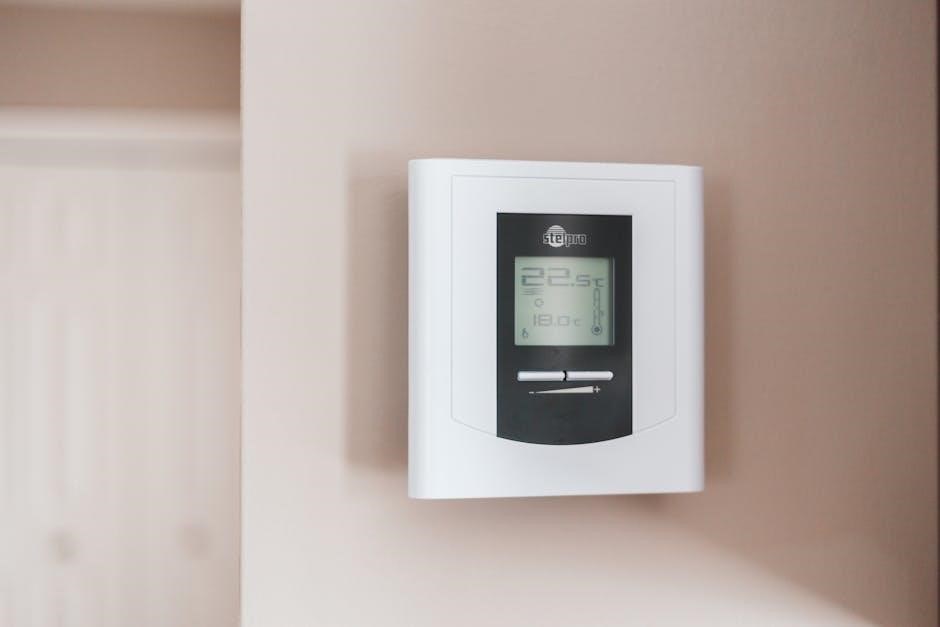
Welcome to the Proselect Thermostat User Manual! This guide provides essential information to help you understand, install, and operate your thermostat effectively. It includes safety tips, installation steps, programming instructions, and troubleshooting solutions to ensure optimal performance. Refer to this manual for detailed guidance on maximizing your thermostat’s features and maintaining energy efficiency. For further assistance, contact Proselect customer support at 1-800-221-3379 or via email.

1.1 Welcome and Purpose of the Manual

Welcome to the Proselect Thermostat User Manual! Thank you for purchasing the Proselect thermostat, a cutting-edge device designed to enhance your home’s comfort and energy efficiency. This manual serves as your comprehensive guide to understanding and utilizing your thermostat’s features effectively. It is intended to assist both new and experienced users in navigating the installation, programming, and maintenance processes. Within these pages, you will find detailed instructions, safety precautions, and troubleshooting tips to ensure optimal performance. Whether you’re installing the thermostat for the first time or customizing its settings, this manual provides clear, step-by-step guidance. For any additional support, Proselect customer service is available at 1-800-221-3379 or via email. We are committed to helping you make the most of your Proselect thermostat.

1.2 Safety Information and Precautions

Before installing or operating your Proselect thermostat, please read and follow these safety guidelines to ensure safe and proper use. Always turn off the power to your heating or cooling system at the circuit breaker or fuse box before attempting any installation or maintenance. Avoid touching electrical components or wires, as this could result in injury or damage. Never install the thermostat near open flames, water, or in areas exposed to direct sunlight, as this may interfere with its performance. Do not attempt to disassemble the thermostat, as this will void the warranty and may cause malfunctions. Keep the thermostat out of reach of children to prevent accidental changes to settings. If you notice any damage or malfunction, discontinue use and contact Proselect customer support immediately. Failure to adhere to these precautions may result in unsafe conditions or damage to the device.

Product Overview

The Proselect Thermostat is a programmable device designed for efficient temperature control. Models like PSTS21P52 offer 2-stage heating and 1-stage cooling, while PSTSL11P52 provides programmable scheduling. Dual-powered options ensure reliability, and a bright backlit display enhances usability. Compatible with various HVAC systems, it supports smart home integration for advanced control. Its compact design and user-friendly interface make it a versatile solution for modern homes.

2.1 Features of the Proselect Thermostat

The Proselect Thermostat offers a range of advanced features designed for precise temperature control and energy efficiency. Models like the PSTS21P52 and PSTSL11P52 provide programmable scheduling, allowing users to set daily and weekly temperature preferences. The thermostat features a bright blue backlight display for easy readability and a separate sub-base for trouble-free installation. It supports dual-powered options, either hardwired or battery-operated, ensuring reliability. The temperature control range is between 45°F and 90°F, catering to various comfort needs. Additionally, the thermostat is compatible with smart home systems, enabling remote control and integration with other devices. Its compact design and user-friendly interface make it a versatile solution for modern homes. These features ensure optimal performance, energy savings, and seamless operation for both heating and cooling systems.

2.2 Models and Specifications

The Proselect Thermostat is available in several models, each designed to meet specific needs. The PSTS21P52 model offers 2-stage heating and 1-stage cooling, while the PSTSL11P52 is a programmable thermostat with a bright blue backlight display. The PSTS11NP is a non-programmable option, ideal for basic temperature control. Dimensions vary slightly across models but generally fit standard installations. The PSTSL11P52 measures 3.62 inches in height, 4.72 inches in width, and 1.38 inches in depth. All models support dual power options, either hardwired or battery-operated, ensuring flexibility. The temperature control range is consistent across models, from 45°F to 90°F, providing reliable performance. These specifications ensure compatibility with most heating and cooling systems, making Proselect thermostats a versatile choice for various home setups. Each model is designed to deliver precise temperature control and energy efficiency, catering to different user preferences and system requirements.

2.3 Compatibility with Heating and Cooling Systems

The Proselect Thermostat is designed to work seamlessly with a wide range of heating and cooling systems. It is compatible with gas, electric, and heat pump systems, ensuring versatility for different home setups. The PSTS21P52 model supports 2-stage heating and 1-stage cooling, while the PSTSL11P52 accommodates single-stage systems. Both models are designed to integrate with most HVAC configurations, making them suitable for various residential applications. The thermostat’s universal design ensures compatibility with standard wiring setups, simplifying installation across different systems. Additionally, the dual power options (hardwired or battery-operated) enhance flexibility, allowing it to work with existing electrical configurations. This broad compatibility makes the Proselect Thermostat a reliable choice for homeowners seeking efficient temperature control regardless of their heating or cooling system type.

Installation Instructions

Follow the step-by-step guide to install your Proselect Thermostat. Remove the old thermostat, connect wires to the new device, and test the system. Refer to the manual for detailed instructions.

3.1 Pre-Installation Checklist

Before installing your Proselect Thermostat, ensure the following steps are completed to guarantee a safe and successful installation process. First, turn off the power to your HVAC system at the circuit breaker or fuse box. Verify that all wires are labeled correctly to avoid confusion during reconnection. Gather the necessary tools, such as a screwdriver, wire strippers, and a drill, and ensure the thermostat’s compatibility with your heating and cooling system. Check the wall for any obstructions and clean the area where the thermostat will be mounted. Review the wiring diagram provided in the manual to understand the connections. If you are replacing an old thermostat, remove it carefully and dispose of it properly. Finally, ensure the new thermostat is fully charged if it is battery-powered. By following this checklist, you can proceed with the installation confidently and efficiently.

3.2 Step-by-Step Installation Guide

Begin by turning off the power to your HVAC system at the circuit breaker or fuse box. Remove the old thermostat carefully, taking note of the wire connections. Mount the new thermostat base to the wall using the provided screws, ensuring it is level. Connect the wires to the appropriate terminals, matching the labels from your system. Secure the wires firmly and replace any covers. Turn the power back on and test the thermostat by adjusting the temperature settings. If using a battery-powered model, insert the batteries according to the manual. Finally, set your preferred temperature and verify that the system responds correctly; Refer to the wiring diagram in the manual if unsure about any connections. Proper installation ensures safe and efficient operation of your Proselect Thermostat.

3.3 Wiring Diagrams and Connections

Begin by turning off the power to your HVAC system at the circuit breaker or fuse box. Remove the old thermostat carefully, taking note of the wire connections. Mount the new thermostat base to the wall using the provided screws, ensuring it is level. Connect the wires to the appropriate terminals, matching the labels from your system. Secure the wires firmly and replace any covers. Turn the power back on and test the thermostat by adjusting the temperature settings. If using a battery-powered model, insert the batteries according to the manual. Finally, set your preferred temperature and verify that the system responds correctly. Refer to the wiring diagram in the manual if unsure about any connections. Proper installation ensures safe and efficient operation of your Proselect Thermostat.

3.4 Mounting the Thermostat

Mounting your Proselect Thermostat correctly ensures proper functionality and aesthetic appeal. Begin by removing the existing thermostat and noting the wire connections. Use the provided screws and wall anchors to secure the new thermostat base to the wall. Ensure the base is level and positioned in a central location for accurate temperature sensing. If necessary, drill pilot holes for the screws to avoid damaging the wall. Gently pull the thermostat away from the base to access the wiring terminals. Once the base is mounted, connect the wires according to the wiring diagram provided in the manual. After wiring, snap the thermostat back onto the base until it clicks securely. Ensure all wires are neatly organized and not pinched. Proper mounting ensures reliable performance and prevents potential damage to the device. Refer to the manual for specific mounting hardware and placement recommendations.

3.5 Testing the Thermostat Post-Installation

After installing your Proselect Thermostat, it’s crucial to test its functionality to ensure everything works correctly. Start by turning the power back on at the circuit breaker or fuse box. Check the display to confirm it lights up and shows the correct temperature. Test the heating and cooling modes by setting the thermostat to a higher temperature for heat and a lower temperature for cooling. Verify that the system responds by turning on the heating or cooling unit. Ensure all wires are securely connected to their respective terminals, as loose connections can cause malfunctions. If the thermostat is programmable, test a daily schedule to confirm it changes temperatures as set. If any issues arise, refer to the troubleshooting section or contact Proselect customer support at 1-800-221-3379 for assistance. Proper testing ensures your thermostat operates efficiently and maintains your desired comfort levels.

Programming the Thermostat

Programming your Proselect Thermostat allows you to customize temperature settings for optimal comfort and energy efficiency. Set daily and weekly schedules, adjust modes, and customize temperature preferences to suit your lifestyle. Refer to the manual for step-by-step guidance on programming features and energy-saving tips to maximize your thermostat’s performance.

4.1 Understanding Programming Modes

Understanding the programming modes of your Proselect Thermostat is essential for optimizing its performance. The thermostat offers multiple modes, including the 5-2 Day Weekday/Weekend Programming, which allows you to set different schedules for weekdays and weekends. This feature is ideal for maintaining consistent temperatures during your busiest days while adjusting for relaxation periods. Additionally, the thermostat supports a 7-Day Programming mode, enabling you to customize temperature settings for each day of the week. These modes ensure that your heating and cooling systems operate efficiently, aligning with your daily routines. By utilizing these programming options, you can enhance comfort and reduce energy consumption. Refer to the manual for detailed instructions on selecting and configuring the desired mode to suit your lifestyle and preferences. Proper use of these modes will help you maximize the thermostat’s functionality and enjoy a more energy-efficient home environment.

4.2 Setting Up Daily and Weekly Schedules

Setting up daily and weekly schedules on your Proselect Thermostat allows you to tailor temperature settings to your lifestyle. The 5-2 Day Programming mode lets you set one schedule for weekdays and another for weekends, while the 7-Day Programming mode offers flexibility for each day. To create a schedule, navigate to the programming menu and select the desired mode. Choose the start and end times for heating and cooling periods, and set your preferred temperatures. For example, you can program the thermostat to lower the temperature during sleep hours or when the house is unoccupied. Use the MENU and SELECT buttons to adjust settings. Once configured, the thermostat will automatically adjust temperatures according to your schedule, ensuring energy efficiency and comfort. Refer to the manual for step-by-step guidance on customizing your schedule to match your daily routine and preferences.

4.3 Customizing Temperature Settings

Customizing temperature settings on your Proselect Thermostat allows you to optimize comfort and energy efficiency. You can set specific temperatures for different times of the day or week. To adjust the temperature, press the UP or DOWN buttons until the desired temperature is displayed. For heat and cool settings, ensure the thermostat is in the correct mode (HEAT or COOL). The temperature range is typically between 45°F and 90°F, but this can vary depending on your system. Use the MENU button to access advanced settings, such as differential temperature and temperature hold. The hold function allows you to temporarily override the schedule and maintain a specific temperature. For energy savings, set the thermostat to use the energy-saving mode, which adjusts temperatures slightly during unoccupied periods. Always refer to the manual for detailed instructions on customizing settings to suit your preferences and system requirements.

Maintenance and Troubleshooting

Regularly clean the thermostat display and sensors to ensure accuracy. Check batteries and wiring for damage. For issues, reset the thermostat or consult the troubleshooting guide in the manual for solutions.

5.1 Cleaning and Upkeeping the Thermostat

Regular maintenance ensures your Proselect thermostat operates efficiently. Turn off power to the system before cleaning. Use a soft, dry cloth to wipe the display and exterior. Avoid harsh chemicals or liquids, as they may damage the device. For stubborn stains, lightly dampen the cloth with water, but ensure no moisture enters the thermostat. Check and replace batteries as needed to prevent corrosion. Inspect wires for damage or loose connections and tighten them if necessary. Clean the sensors periodically to ensure accurate temperature readings. For non-programmable models, simply wipe the surface. Programmable models may require occasional software updates, available via the Proselect website. Proper upkeep extends the lifespan and performance of your thermostat. Refer to the manual for detailed cleaning instructions and troubleshooting tips to maintain optimal functionality.

5.2 Common Issues and Solutions

Troubleshooting your Proselect thermostat can resolve many common issues. If the display is blank, check the power source or batteries. Ensure the thermostat is properly mounted and wires are securely connected. For temperature inaccuracies, clean the sensors and verify the settings. If the system doesn’t respond, restart the thermostat by resetting it. Connectivity issues with smart features may require reconnecting to your Wi-Fi network. For programmable models, ensure the schedule is correctly set. If the thermostat fails to switch between heating and cooling, check the system configuration and compatibility. Refer to the wiring diagrams in the manual for proper connections. If issues persist, reset the thermostat to factory settings or contact Proselect customer support for assistance. Regular maintenance and updates can prevent many of these problems, ensuring smooth operation and energy efficiency.

5.3 Resetting the Thermostat

Resetting your Proselect thermostat can resolve various operational issues. To reset, press and hold the MENU and BACK buttons simultaneously for 5-10 seconds until the display resets. For models with a touchscreen, navigate to the settings menu and select Factory Reset. If your thermostat is battery-powered, remove the batteries for 30 seconds to reset. After resetting, the thermostat will revert to factory settings, and you’ll need to reconfigure your preferences. Resetting is useful if you’re experiencing software glitches or plan to sell the device. Ensure your schedule and custom settings are backed up before performing a reset. If issues persist after resetting, contact Proselect customer support for further assistance. Regular resets can help maintain optimal performance and ensure your thermostat operates efficiently.

Advanced Features

Explore advanced features like smart home integration with voice control and energy-saving tips to enhance functionality, optimize energy use, and improve performance with customizable settings for better comfort.

6.1 Smart Home Integration

The Proselect Thermostat seamlessly integrates with popular smart home systems, enhancing convenience and control. Compatible with platforms like Apple HomeKit and Amazon Alexa, it allows voice command functionality for temperature adjustments; Users can also connect the thermostat to other smart devices, creating a unified home automation experience. Remote access via smartphone apps enables scheduling and monitoring from anywhere, ensuring energy efficiency. Geofencing features automatically adjust settings based on your location, optimizing comfort and energy use. This integration simplifies managing your home’s climate, offering a modern and efficient way to maintain your desired environment. By linking your thermostat to your smart home ecosystem, you can enjoy enhanced functionality and personalized comfort. This feature is designed to work effortlessly with existing smart systems, making it easy to upgrade your home’s automation capabilities.

6.2 Energy-Saving Tips

Maximizing energy efficiency with your Proselect Thermostat is straightforward. Start by programming daily and weekly schedules to align with your lifestyle, ensuring the system operates only when needed. Lowering the temperature by 1-2 degrees in winter and raising it slightly in summer can significantly reduce energy consumption. Utilize the thermostat’s smart features, such as geofencing, to automatically adjust settings based on your location. Regularly cleaning the thermostat and ensuring proper installation also optimize performance. Consider upgrading to a programmable model like the PSTS21P52 for advanced energy-saving capabilities. By following these tips, you can lower your utility bills while maintaining comfort. Remember, small adjustments can make a big difference in energy efficiency and environmental impact. Refer to your thermostat’s user manual for more detailed guidance on customizing settings for maximum savings.

Customer Support and Warranty

For assistance, contact Proselect at 1-800-221-3379 or via email. The warranty covers defects in materials and workmanship. Register your product for extended support and ensure proper warranty coverage.

7.1 Contact Information

For any inquiries or assistance with your Proselect Thermostat, please reach out to our dedicated customer support team. You can contact us via phone at 1-800-221-3379 or through email at email160;protected. Our team is available to address your questions, provide troubleshooting guidance, and assist with warranty-related matters. Additionally, you can visit our official website for more resources and support options. Ensure to have your product model number and serial number ready when contacting us for faster assistance. Our customer service representatives are committed to helping you resolve any issues promptly and efficiently. For warranty inquiries, please refer to the warranty section of this manual or contact our support team directly. We are here to ensure your Proselect Thermostat operates smoothly and meets your expectations.

7.2 Warranty Details

Your Proselect Thermostat is backed by a comprehensive warranty program designed to protect your investment. The product is covered under a limited warranty for a period of 5 years from the date of purchase, which includes parts and labor under normal use conditions. The warranty ensures that any manufacturing defects in materials or workmanship will be addressed free of charge. To maintain warranty validity, the thermostat must be installed by a licensed professional and operated in accordance with the instructions provided in this manual. For warranty claims, contact Proselect customer support with proof of purchase and installation. The warranty is non-transferable and applies only to the original purchaser. Damages resulting from misuse, improper installation, or external factors are not covered. For full warranty terms and conditions, visit the Proselect website or refer to the warranty section provided with your purchase.

Thank you for taking the time to read through the Proselect Thermostat User Manual. This guide has provided you with essential information to install, program, and maintain your thermostat effectively. By following the instructions and tips outlined, you can optimize your heating and cooling system for energy efficiency and comfort. If you have any further questions or need assistance, please refer back to the relevant sections or contact Proselect customer support. Remember to take advantage of the warranty provided with your purchase for added peace of mind. With proper care and use, your Proselect Thermostat will serve as a reliable and efficient solution for regulating your home’s temperature. Enjoy the convenience and savings that come with your new thermostat!

Open post

smart ai recognition bird feeder manual

Discover the innovative Smart AI Recognition Bird Feeder, designed to enhance birdwatching experiences with live streaming, AI-powered bird identification, and high-quality photos, perfect for enthusiasts and families.

1.1 Overview of the Product and Its Purpose

The Smart AI Recognition Bird Feeder is an innovative device designed to enhance birdwatching experiences. It features AI-powered bird identification, live streaming, and high-quality photo/video capture. This feeder connects to your smartphone via an app, allowing users to monitor bird activity remotely. Its purpose is to make birdwatching more engaging, educational, and accessible for enthusiasts of all levels, providing insights into bird species and their behaviors through advanced technology.

1.2 Benefits of Using a Smart Bird Feeder

A smart bird feeder enhances birdwatching by offering live streaming, AI-powered species identification, and high-quality photos. It allows real-time monitoring, educational insights, and motion alerts, making it ideal for enthusiasts and families. The feeder’s AI technology simplifies bird recognition, while its connectivity features enable sharing and learning. It’s a fun, interactive way to engage with nature, providing valuable data for bird lovers and fostering a deeper connection with wildlife year-round.

1.3 Target Audience: Birdwatchers and Nature Enthusiasts

The Smart AI Recognition Bird Feeder is perfect for birdwatchers and nature enthusiasts seeking to enhance their outdoor experiences. It offers live streaming, AI-powered bird identification, and high-quality photos, making it ideal for those passionate about wildlife. The feeder’s features cater to both casual observers and dedicated birders, providing educational insights and capturing rare species. Its user-friendly design ensures that families and nature lovers of all ages can enjoy and learn from their backyard wildlife effortlessly.

Product Manual: Smart AI Recognition Bird Feeder

This manual guides you through unboxing, installation, and setup of the feeder, including components, app download, and initial configuration for seamless birdwatching and AI recognition experiences.

2.1 Unboxing and Components

Upon unboxing, you’ll find the Smart AI Recognition Bird Feeder, a high-definition camera, a mounting pole, a power cable, and a detailed manual. The feeder includes a seed compartment, a rechargeable battery, and a Wi-Fi module for connectivity. Additional accessories may include a QR code for app download and a quick-start guide. Ensure all components are accounted for before proceeding with setup. Carefully inspect each part for damage and refer to the manual for initial checks and preparation. This ensures a smooth installation process.

2.2 Installation and Setup Guide

Begin by unboxing and inventorying all components, including the feeder, mounting pole, and power adapter. Choose a shaded area 3-5 feet off the ground for optimal bird viewing. Mount the feeder securely using the provided hardware. Fill the feeder with birdseed, ensuring the sensors are clear. Download the companion app by scanning the QR code in the manual. Follow in-app instructions to connect the feeder to your Wi-Fi network. Test the camera and motion detection features to ensure proper functionality. Place the feeder near a window for easy monitoring.

2.3 Downloading and Installing the Companion App

To fully utilize the Smart AI Recognition Bird Feeder, download the companion app. For iOS, visit the App Store, and for Android, go to Google Play. Search for “Bird Lover” and select the official app. Alternatively, scan the QR code provided in the product manual or on the packaging. Follow the on-screen instructions to install and launch the app. Ensure your device is connected to the internet for a smooth setup process. The app is free and essential for accessing smart features like AI recognition and live streaming.

2.4 Initial Configuration and Connectivity

Start by downloading the app via the QR code on the manual or searching “Bird Lover” on Google Play. Create an account or log in to pair the feeder. Ensure the feeder is in pairing mode and select it within the app. Check your Wi-Fi connection to enable live streaming and AI features. The feeder can only link to one account at a time. Stable internet connectivity is crucial for optimal performance and AI recognition functionality.

Features of the Smart AI Recognition Bird Feeder

Experience cutting-edge technology with live streaming, AI bird identification, high-quality photos, and motion detection, making birdwatching interactive and educational for enthusiasts of all levels.

3.1 Live Streaming and Recorded Footage

The Smart AI Recognition Bird Feeder offers real-time live streaming, allowing you to observe birds remotely through your smartphone. Recorded footage ensures you never miss a moment, storing clips for later review. The camera captures high-definition video, providing clear visuals of bird activity. This feature is ideal for monitoring feeding patterns or identifying species you may have missed. Access both live and recorded content seamlessly via the companion app, enhancing your birdwatching experience with convenience and clarity.

3.2 AI-Powered Bird Identification

The Smart AI Recognition Bird Feeder features advanced AI technology that automatically identifies bird species visiting your feeder. Using its high-resolution camera and sophisticated software, the feeder captures images and analyzes them to provide accurate species identification. This feature is especially useful for birdwatchers and nature enthusiasts who want to learn more about the birds they attract. The AI system can recognize hundreds of species, offering detailed information such as names, descriptions, and habitats directly through the companion app. This innovative tool enhances the birdwatching experience, making it educational and engaging for users of all ages.

3.3 High-Quality Photos and Videos

The Smart AI Recognition Bird Feeder captures stunning 2-megapixel photos and 1080p HD videos, ensuring crisp and vibrant imagery of birds in action. The built-in camera features automatic focus and lighting adjustments to deliver clear visuals, even in low-light conditions. Users can access these media files directly through the app, allowing for easy sharing and storage. This feature is perfect for documenting rare species or simply enjoying memorable birdwatching moments. The feeder’s high-quality output enhances both observation and learning experiences for enthusiasts and families alike.

3.4 Motion Detection and Alerts

The Smart AI Recognition Bird Feeder features advanced motion detection, sending instant alerts to your smartphone when movement is detected. This ensures you never miss a visit, whether it’s a rare bird species or unexpected wildlife. The app allows customization of sensitivity settings and notification preferences, enabling real-time monitoring. Stay connected to nature effortlessly, even when you’re not actively watching, and enjoy enhanced engagement with the birds visiting your feeder. This feature is perfect for capturing unexpected moments and staying informed about feeder activity.

How to Use the AI Recognition Feature

Access the AI recognition feature through the app, enable camera mode, and let the feeder identify bird species automatically, providing detailed insights for a richer birdwatching experience.

4.1 Setting Up AI Recognition in the App

To set up AI recognition, open the app and navigate to the settings menu. Select “AI Features” and enable bird recognition. Choose your preferred species alert options. For optimal performance, ensure your app is updated. Tap “Save” to activate the feature. The feeder will now identify birds automatically, providing detailed insights. Customize settings further for specific species alerts or photo storage preferences. This setup ensures seamless bird identification and enhances your birdwatching experience with real-time data and notifications.

4.2 Using the App for Bird Identification

Open the app to access live streaming and recorded footage from your feeder. Tap the AI recognition button to identify birds in real-time. The app displays species names, photos, and details, aiding learning. Use the zoom feature for clearer views and save high-quality images. Customize notifications for specific bird sightings. The app also offers a library of bird species, helping enthusiasts expand their knowledge and track rare visitors effortlessly.

4.3 Customizing Recognition Settings

Customize the AI recognition settings to tailor the experience to your preferences. Adjust sensitivity levels to reduce false alerts and focus on specific bird species. Users can enable filters to prioritize rare or favorite birds, ensuring notifications only for desired species. Additionally, the app allows setting custom alerts for unique sightings, enhancing the birdwatching experience. These settings can be modified in the app’s AI recognition section, providing flexibility for enthusiasts to personalize their bird feeder’s functionality and data collection preferences.

4.4 Troubleshooting AI Recognition Issues

If the AI recognition feature malfunctions, check for poor image quality or weak internet connectivity. Ensure the camera lens is clean and free from obstructions. Restart the feeder and app, and verify software updates. If issues persist, reset the device or contact customer support for assistance. Regularly updating the app and firmware can prevent such problems, ensuring accurate bird identification and seamless functionality.

Connecting the Smart Bird Feeder to Your Smartphone

Pair the feeder with your smartphone via the app by scanning the QR code, ensuring stable internet connectivity for seamless live streaming and AI recognition features.

5.1 Pairing the Feeder with the App

To pair the Smart AI Recognition Bird Feeder with the app, open the Bird Lover app and select “Add Device.” Scan the QR code found in the product manual or on the feeder’s packaging. Ensure the feeder is powered on and in pairing mode. Follow the in-app instructions to complete the connection. Once paired, the app will confirm the successful link, allowing you to access all features like live streaming and AI recognition.

5.2 Ensuring Stable Internet Connectivity

For optimal performance, ensure your Smart AI Recognition Bird Feeder has a stable internet connection. Place the feeder near your Wi-Fi router for stronger signal strength. Check your router’s range and consider using a Wi-Fi extender if necessary. Restart the feeder and router periodically to refresh the connection. Use the app to monitor connectivity status and adjust settings as needed for uninterrupted live streaming and AI functionality.

5.3 Resolving Connectivity Issues

If your Smart AI Recognition Bird Feeder disconnects, restart the device and ensure stable internet. Check Wi-Fi settings, re-pair the feeder with the app, and update firmware. Resetting the feeder or reinstalling the app may resolve persistent issues. Ensure your smartphone and feeder are within range and no network interference exists. Refer to the manual for detailed troubleshooting steps to restore connectivity and enjoy uninterrupted birdwatching.

5.4 Managing Multiple Users and Accounts

The Smart AI Recognition Bird Feeder allows multiple users to access its features, making it ideal for shared birdwatching experiences. To manage accounts, go to the app settings and invite users via email. Each user can log in separately, but the feeder can only be linked to one account at a time. Switching accounts is simple: log out and log back in with the desired credentials. Ensure all users have stable internet connectivity for seamless access. This feature promotes collaborative birding while maintaining data privacy and security.

Maintenance and Care for the Smart Bird Feeder

Regularly clean the feeder and camera lens for optimal performance. Recharge the battery when needed, update software, and store the feeder properly during off-season to ensure longevity.

6.1 Cleaning the Feeder and Camera Lens

Regular cleaning ensures optimal performance and clear bird observations. Use a soft, dry cloth to wipe the feeder and camera lens, removing seed residue and dirt. Avoid harsh chemicals or abrasive materials that may damage surfaces. For stubborn stains, dampen the cloth slightly but ensure the lens is dry afterward to prevent smudging. Clean the feeder every 1-2 weeks, or more often in humid or high-traffic bird areas, to maintain functionality and image quality.

6.2 Recharging the Battery

To ensure continuous operation, recharge the Smart AI Recognition Bird Feeder’s 5200 mAh battery regularly. Use the provided USB-C cable to connect the feeder to a power source. The battery typically takes 6 hours to fully charge. Avoid overcharging to maintain battery health. A green LED indicator signals a full charge. For optimal performance, clean the charging port occasionally to prevent connectivity issues. Always use the original charger to ensure safety and efficiency.

6.3 Updating Software and Firmware

Regular software and firmware updates ensure optimal performance of your Smart AI Recognition Bird Feeder. To update, open the companion app, navigate to the settings menu, and select “Check for Updates.” Follow on-screen instructions to download and install the latest version. Ensure the feeder is fully charged and connected to Wi-Fi during the process. Updates may include new features, bug fixes, or improved AI recognition accuracy. Always restart the device after an update to apply changes properly.

6.4 Storing the Feeder During Off-Season

Properly store your Smart AI Recognition Bird Feeder during off-season to maintain its functionality. Clean the feeder and camera lens thoroughly, dry all components, and store in a protective cover. Keep it in a cool, dry place away from direct sunlight and pests. Disconnect the battery and recharge it every 3-6 months to prevent degradation. Ensure all ports are sealed to avoid moisture damage. This will ensure your feeder remains in optimal condition for the next birdwatching season.

Troubleshooting Common Issues

Troubleshoot common issues like malfunctions, connectivity problems, and error codes. Check sensors, restart devices, and consult the manual for solutions or contact customer support.

7.1 Malfunctions and Error Codes

Common malfunctions include the feeder not dispensing seeds, camera malfunction, or connectivity issues. Error codes like E01 (sensor failure) or E02 (network disconnect) may appear. Restarting the device often resolves these issues. For persistent problems, refer to the error code list in the manual or contact customer support. In some cases, resetting the feeder to factory settings may be necessary to restore functionality. Always ensure the latest software version is installed to prevent recurring malfunctions.

7.2 Sensor and Camera Issues

Common issues include blurry footage, sensor malfunctions, or camera connectivity problems. Ensure the lens is clean and free from obstructions. Restart the feeder and check app connectivity. If problems persist, reset the device to factory settings or contact customer support for assistance. Regularly updating software can also resolve sensor and camera-related glitches, ensuring optimal performance for bird identification and monitoring. Always refer to the manual for specific troubleshooting steps tailored to your Smart AI Recognition Bird Feeder model.

7.3 Connectivity and App-Related Problems

Troubleshoot connectivity issues by ensuring stable Wi-Fi and checking app updates. Restart the feeder and smartphone, then reinstall the app if problems persist. Reset the feeder to factory settings if connectivity fails. Verify internet strength and router proximity. For app-related issues, clear cache or log out and back in. If unresolved, contact customer support for assistance. Regularly update the app and feeder firmware to avoid compatibility problems and ensure smooth operation.

7.4 Resetting the Feeder to Factory Settings

To reset the Smart AI Recognition Bird Feeder to its factory settings, press and hold the reset button located at the base for 10 seconds until the LED flashes. This will erase all custom settings, including Wi-Fi connections and AI preferences. Use this option if the feeder malfunctions or before transferring ownership. Note that resetting will remove all stored data, so ensure your settings are backed up. Refer to the manual for detailed instructions and precautions to avoid data loss.

Frequently Asked Questions (FAQ)

Explore common queries about compatibility, data privacy, and warranty support for the Smart AI Recognition Bird Feeder, ensuring a seamless and secure user experience always.

8.1 Compatibility with Different Smartphones

The Smart AI Recognition Bird Feeder is compatible with both iOS and Android devices, ensuring seamless connectivity for all users. Simply download the companion app by scanning the QR code provided in the manual or searching for “Bird Lover” on Google Play or the App Store. The feeder supports a wide range of smartphones, including iPhone 12 and later models, as well as Samsung Galaxy S10 and newer devices. For optimal performance, ensure your smartphone runs on Android 8.0 or iOS 12.0 and above. Connectivity is established via Wi-Fi or Bluetooth, depending on your preference. If you encounter any issues, refer to the manual or contact customer support for assistance.

8.2 Data Privacy and Security Concerns

Your privacy is a top priority. The Smart AI Recognition Bird Feeder ensures data security through encryption and secure servers. All personal information and bird data are protected in compliance with GDPR and other regulations. Regular software updates enhance security features. Users are advised to use strong passwords and enable two-factor authentication for added protection. For more details, refer to the privacy policy in the app or product manual.

8.3 Warranty and Customer Support

The Smart AI Recognition Bird Feeder comes with a limited one-year warranty covering manufacturing defects. For assistance, contact customer support via email or the app’s help section. The warranty does not cover damage from improper use or natural wear. Additional support resources, including FAQs and troubleshooting guides, are available in the product manual or app. Customer service is available to address any concerns, ensuring a seamless experience for bird enthusiasts.

The Smart AI Recognition Bird Feeder revolutionizes birdwatching, offering a seamless blend of technology and nature. With features like live streaming, AI identification, and high-quality photos, it enhances the experience for enthusiasts. The manual provides clear guidance for setup and use, ensuring users maximize its benefits. Whether for learning, relaxation, or sharing moments with family, this feeder is a must-have for bird lovers, making every backyard a window to wildlife wonders.

Open post

2017 kia sportage owners manual

The 2017 Kia Sportage Owners Manual is your comprehensive guide to understanding and maintaining your vehicle‚ ensuring optimal performance and safety through detailed operation and maintenance instructions.

Overview of the Manual’s Purpose and Structure

The 2017 Kia Sportage Owners Manual is designed to provide owners with essential information for safe and efficient vehicle operation. It is structured to cover all aspects of ownership‚ from basic controls to advanced features‚ ensuring drivers can maximize their driving experience. The manual is divided into clear sections‚ including safety precautions‚ maintenance schedules‚ troubleshooting‚ and technical specifications‚ making it easy to navigate.

Whether you’re familiar with Kia vehicles or new to the brand‚ this guide offers detailed instructions and tips to help you understand your Sportage better. It also includes information on how to access digital versions of the manual for added convenience. Regular updates ensure the content remains relevant and accurate for optimal vehicle performance.

Importance of Reading the Manual for Optimal Vehicle Performance

Reading the 2017 Kia Sportage Owners Manual is essential for optimal vehicle performance and safety. It provides detailed information on operating features‚ maintenance schedules‚ and troubleshooting tips‚ ensuring you get the most out of your SUV. The manual includes crucial safety guidelines‚ helping you understand warning lights and emergency procedures. Understanding it helps prevent potential issues and ensures compliance with warranty requirements. It’s a valuable resource for both new and experienced owners‚ offering insights to enhance driving efficiency and overall satisfaction.

Safety Information and Precautions

The 2017 Kia Sportage Owners Manual provides essential safety guidelines for proper vehicle operation‚ including warnings‚ emergency procedures‚ and tips to prevent accidents and ensure safe driving practices.

General Safety Guidelines for Vehicle Operation

The 2017 Kia Sportage Owners Manual emphasizes critical safety practices to ensure secure driving experiences. Always wear seatbelts‚ as they significantly reduce injury risks in accidents. Properly secure child restraints‚ and avoid distractions while driving‚ such as using electronic devices. Familiarize yourself with features like Hill-Start Assist Control (HAC) to prevent rolling backward on inclines. Never overload the vehicle beyond its capacity‚ as this can compromise stability and safety. Regularly check tire pressure and brakes to maintain optimal vehicle performance. These guidelines are designed to protect both drivers and passengers‚ ensuring a safe and confident driving environment.

Warning Lights and Indicators on the Dashboard

The 2017 Kia Sportage Owners Manual details the various warning lights and indicators on the dashboard‚ each serving a specific function to alert drivers of potential issues. These include indicators for oil level‚ tire pressure‚ engine health‚ and more. Understanding these lights is crucial for maintaining vehicle safety and performance. If a light illuminates‚ refer to the manual for its meaning and recommended actions. Addressing these warnings promptly can prevent minor issues from becoming serious problems‚ ensuring your Sportage runs smoothly and safely. Always consult the manual for detailed explanations of each indicator.

Emergency Procedures and Safety Features

The 2017 Kia Sportage Owners Manual provides essential guidance on emergency procedures and safety features to ensure driver and passenger safety. It outlines steps for situations like a flat tire‚ brake failure‚ or accident response. The manual explains the function of advanced safety features such as airbags‚ anti-lock braking systems (ABS)‚ and electronic stability control (ESC). Additionally‚ it details how to use emergency systems like hill-start assist and rear cross-traffic alert. Understanding these procedures and features is vital for securing your well-being and the integrity of your vehicle in critical situations. Refer to the manual for detailed instructions.

Operating the Vehicle

The 2017 Kia Sportage Owners Manual provides detailed insights into operating your vehicle smoothly and efficiently‚ covering essential controls‚ driving modes‚ and features for a seamless driving experience.

Controls and Instruments Overview

The 2017 Kia Sportage Owners Manual details the vehicle’s controls and instruments‚ ensuring drivers understand the layout and functionality of the steering wheel‚ instrument cluster‚ and center console. The manual explains the multifunctional steering wheel controls for audio‚ cruise control‚ and phone operations. It also covers the instrument cluster‚ which displays vital information like speed‚ fuel level‚ and warning indicators. Additionally‚ the manual provides guidance on using the touchscreen infotainment system‚ climate control buttons‚ and gearshift operations. This section helps drivers familiarize themselves with the vehicle’s features for a safe and intuitive driving experience.

Driving Modes and Their Functions

The 2017 Kia Sportage Owners Manual outlines the vehicle’s driving modes‚ designed to enhance performance and efficiency. Eco mode optimizes fuel efficiency for highway driving‚ while Comfort mode provides a balanced ride for daily use. Sport mode sharpens throttle response and steering for dynamic driving. Additionally‚ the manual introduces Smart mode‚ which adapts to the driver’s style for a personalized experience. Understanding these modes ensures drivers can tailor their driving experience to various conditions‚ maximizing both enjoyment and efficiency behind the wheel.

Adjusting Seats‚ Mirrors‚ and Steering Wheel

The 2017 Kia Sportage Owners Manual details how to adjust the driver’s seat‚ mirrors‚ and steering wheel for optimal comfort and visibility. The power-adjustable seats offer lumbar support and can be customized to fit your driving position. Mirrors‚ including the rearview and side mirrors‚ can be adjusted manually or electronically‚ depending on the trim level. The tilt-and-telescoping steering wheel allows for precise alignment with your seating position. Proper adjustments ensure a safe and comfortable driving experience‚ tailored to individual preferences. Always adjust these features before driving to maintain clear visibility and control.

Maintenance and Service Schedule

The 2017 Kia Sportage Owners Manual outlines recommended maintenance intervals to ensure optimal vehicle performance and longevity. Regular servicing‚ including oil changes and inspections‚ is essential for reliability.

Recommended Maintenance Intervals for the 2017 Kia Sportage

The 2017 Kia Sportage Owners Manual recommends regular maintenance to ensure optimal performance. Major periodic service is advised every 2 years or 30‚000 kilometres‚ covering oil changes‚ tire rotations‚ and inspections. The manual also outlines specific intervals for replacing components like spark plugs and air filters. Adhering to these schedules helps prevent mechanical issues and ensures the vehicle runs efficiently. Proper maintenance is crucial for maintaining warranty coverage and extending the lifespan of your Kia Sportage. Always refer to the manual for detailed instructions and guidelines.

Oil Change and Fluid Check Guidelines

The 2017 Kia Sportage Owners Manual emphasizes the importance of regular oil changes and fluid checks for optimal engine performance. Oil changes should be performed every 2 years or 30‚000 kilometres‚ using 0W-20 synthetic oil for better fuel efficiency and engine protection. Fluid checks‚ including coolant‚ brake fluid‚ and windshield washer levels‚ should be done monthly or before long trips. Always refer to the manual for specific guidelines on checking and topping up fluids. Neglecting these steps can lead to engine damage. Consult the manual for detailed instructions to ensure proper maintenance and extend your vehicle’s lifespan.

DIY Maintenance Tips for Owners

The 2017 Kia Sportage Owners Manual provides practical DIY maintenance tips to help owners keep their vehicle in top condition. Regular tire pressure checks‚ air filter inspections‚ and battery terminal cleaning are simple tasks that can be done at home. The manual recommends checking the air filter every 15‚000 miles and replacing it as needed. Additionally‚ inspecting windshield wipers for wear and replacing them when necessary ensures clear visibility. These small maintenance tasks can prevent major issues and extend the lifespan of your Kia Sportage. Always refer to the manual for specific guidelines and recommendations.

Troubleshooting Common Issues

The manual helps identify and resolve common issues like door malfunctions or service light alerts‚ ensuring timely solutions to maintain your Kia Sportage’s performance and longevity.

Identifying and Addressing Common Problems

The 2017 Kia Sportage Owners Manual provides detailed guidance for identifying and resolving common issues‚ such as door malfunctions‚ service light notifications‚ and oil change intervals. It outlines step-by-step troubleshooting procedures and offers practical solutions to ensure your vehicle operates smoothly. For example‚ if a door won’t open‚ the manual suggests checking the door lock mechanism or fuses. Additionally‚ it covers resetting the service light after maintenance and addresses frequent questions about engine performance and fluid checks. Regular consultation of this section helps prevent minor issues from becoming major problems‚ ensuring optimal vehicle health and longevity.

Resetting the Service Light and Other Notifications

The 2017 Kia Sportage Owners Manual explains how to reset the service light and other dashboard notifications. After completing scheduled maintenance‚ such as oil changes‚ the service light must be reset. This is typically done using the steering wheel controls or the instrument cluster menu. The manual provides step-by-step instructions for this process. Additionally‚ it details how to address other notifications‚ such as tire pressure warnings or system malfunction alerts. Regularly checking and resetting these indicators ensures your vehicle operates efficiently and helps prevent unnecessary repairs. Refer to the manual for specific procedures tailored to your Sportage.

Technical Specifications

The 2017 Kia Sportage features a 2.4L inline-4 or 2.0L turbocharged inline-4 engine‚ paired with a 6-speed automatic transmission. It offers front-wheel drive with optional all-wheel drive and a 16.4-gallon fuel capacity.

Engine and Transmission Details

The 2017 Kia Sportage offers two engine options: a 2.4-liter inline-4 cylinder engine producing 181 horsepower and 175 lb-ft of torque‚ and a 2.0-liter turbocharged inline-4 engine delivering 240 horsepower and 260 lb-ft of torque. Both engines are paired with a smooth-shifting 6-speed automatic transmission. The drivetrain options include front-wheel drive (FWD) and an optional Dynamax all-wheel drive (AWD) system‚ which enhances traction and control on various road conditions. The Sportage also features a fuel-efficient design‚ ensuring optimal performance without compromising on power.

Fuel Efficiency and Performance Metrics

The 2017 Kia Sportage delivers impressive fuel efficiency‚ with the 2.4-liter engine achieving an EPA-estimated 23 MPG city and 30 MPG highway in front-wheel drive (FWD) configuration‚ while the 2.0-liter turbocharged engine offers slightly lower efficiency due to its higher power output. The 6-speed automatic transmission ensures smooth acceleration‚ and the available Dynamax all-wheel drive (AWD) enhances traction without significantly compromising fuel economy. The Sportage balances performance and economy‚ making it a versatile choice for both urban commuting and long-distance driving‚ catering to a wide range of driver preferences and needs.

Accessories and Customization

The 2017 Kia Sportage supports a variety of approved accessories‚ such as roof racks‚ alloy wheels‚ and cargo organizers‚ to enhance functionality and personalize your vehicle‚ ensuring compatibility and safety.

Approved Accessories for the 2017 Kia Sportage

The 2017 Kia Sportage offers a range of approved accessories to enhance functionality and personalization. These include roof racks‚ cargo organizers‚ alloy wheels‚ and protective floor mats. Kia-approved accessories ensure optimal compatibility and safety‚ designed specifically for your vehicle. Additionally‚ options like bike racks‚ towing hitches‚ and cargo nets are available to meet your lifestyle needs. Always use Kia-recommended products to maintain warranty coverage and ensure proper installation. These accessories can be purchased through authorized Kia dealers or trusted online retailers‚ providing a seamless way to customize your Sportage while preserving its performance and aesthetic appeal.

Installation Guidelines for Aftermarket Parts

When installing aftermarket parts on your 2017 Kia Sportage‚ ensure they are Kia-approved to maintain compatibility and safety. Always consult the owners manual for specific installation instructions. Proper installation techniques are crucial to avoid damaging your vehicle or voiding the warranty. Electrical components‚ such as infotainment systems or lighting‚ require careful handling to prevent system malfunctions. If unsure‚ seek professional assistance from a certified Kia technician. This ensures all modifications meet Kia’s standards for safety‚ performance‚ and reliability‚ protecting your investment and ensuring optimal functionality.

Warranty and Support Information

The 2017 Kia Sportage is backed by a comprehensive warranty program‚ including a 5-year/60‚000-mile basic warranty and 10-year/100‚000-mile powertrain coverage for added peace of mind.

Understanding the Manufacturer’s Warranty

The 2017 Kia Sportage comes with a comprehensive manufacturer’s warranty‚ including a 5-year/60‚000-mile basic warranty and a 10-year/100‚000-mile powertrain warranty. This coverage ensures protection against defects in materials and workmanship‚ providing peace of mind for owners. The warranty also includes roadside assistance and anti-perforation coverage for added security. Details about warranty terms‚ limitations‚ and what is covered can be found in the manual. Owners are encouraged to review this section to fully understand their coverage and ensure compliance with warranty conditions for optimal protection. Proper maintenance and adherence to guidelines are essential for maintaining warranty validity.

Contacting Kia Customer Support

The 2017 Kia Sportage Owners Manual provides detailed contact information for Kia’s customer support. Owners can reach Kia through phone‚ email‚ or via the official website. The manual also lists regional customer service numbers and operating hours for assistance. Additional resources include online FAQs‚ troubleshooting guides‚ and tutorial videos. Kia’s support team is available to address any questions or concerns‚ ensuring a smooth ownership experience. For efficient service‚ owners are advised to have their vehicle’s VIN ready when contacting support.

Downloading the Owners Manual

The 2017 Kia Sportage Owners Manual is available for free download as a PDF from Kia’s official website or trusted online resources‚ ensuring easy digital access.

Online Resources for the 2017 Kia Sportage Manual

The 2017 Kia Sportage Owners Manual is readily available online through various platforms. Websites like ManualsLib and OwnersManuals2.com offer free PDF downloads‚ providing easy access to the manual. Additionally‚ Kia’s official website hosts digital versions of the manual‚ ensuring authenticity and reliability. These resources allow owners to download‚ print‚ or view the manual digitally‚ making it convenient to access essential information anytime. The manual is also available on forums and third-party sites‚ giving owners multiple options to obtain the guide. Ensure to verify the source for accuracy and completeness of the document.

How to Access the Digital Version

To access the digital version of the 2017 Kia Sportage Owners Manual‚ visit Kia’s official website or trusted platforms like ManualsLib or OwnersManuals2.com. Navigate to the “Owners” or “Support” section‚ where you can search for your vehicle by model year and make. Log in or create an account if required. Once found‚ you can view the manual online or download it as a PDF for offline access. Ensure the source is reputable to avoid security risks. The digital format allows for easy navigation‚ with features like search functionality and mobile optimization for convenience.

Frequently Asked Questions (FAQs)

  • What is the recommended maintenance schedule for the 2017 Kia Sportage?
  • How do I reset the service light?
  • Where can I find the towing capacity information?
  • Can I download the owners manual in PDF format?

Common Questions About the 2017 Kia Sportage

Owners often inquire about maintenance schedules‚ with major services recommended every 2 years or 30‚000 kilometres. Resetting the service light is a frequent query‚ as well as understanding fuel efficiency and performance metrics. Many ask about pairing phones with the UVO system and troubleshooting issues like doors not opening. The manual also addresses eco-driving tips and warranty details. Additionally‚ questions about engine specifications‚ oil change guidelines‚ and accessing the digital manual are common. These topics are covered in detail to ensure optimal vehicle performance and owner satisfaction.

Environmental Considerations

The 2017 Kia Sportage promotes eco-friendly driving with fuel efficiency tips and emission-reducing technologies‚ helping owners minimize their environmental impact while optimizing performance and fuel economy.

Fuel Efficiency and Eco-Driving Tips

The 2017 Kia Sportage Owners Manual emphasizes fuel efficiency through eco-driving practices‚ such as maintaining optimal tire pressure‚ driving at steady speeds‚ and avoiding aggressive acceleration. Regular maintenance‚ like oil changes and air filter replacements‚ also contributes to better fuel economy. The manual advises against idling for extended periods and suggests using cruise control on highways to reduce fuel consumption. By following these guidelines‚ owners can minimize their environmental impact while maximizing the vehicle’s performance and efficiency.

The 2017 Kia Sportage Owners Manual is an essential resource for optimal vehicle performance‚ safety‚ and informed ownership‚ ensuring a smooth and enjoyable driving experience.

Final Thoughts on Using the Owners Manual Effectively

Regularly reviewing the 2017 Kia Sportage Owners Manual ensures familiarity with advanced features‚ troubleshooting guides‚ and maintenance schedules‚ enhancing safety and performance. The manual provides DIY tips‚ warranty details‚ and eco-driving advice‚ helping owners maximize efficiency and customize their vehicle. By following its guidelines‚ drivers can address issues promptly‚ prolong the car’s lifespan‚ and enjoy a seamless driving experience. This comprehensive resource empowers owners to make informed decisions‚ ensuring their Kia Sportage operates at its best for years to come.

Addendum

Kia may issue updates or revisions to the 2017 Sportage manual. Check the manufacturer’s website or contact customer support for the latest information and clarifications.

Updates and Revisions to the Manual

The 2017 Kia Sportage Owners Manual may be updated periodically to reflect new information‚ technical revisions‚ or clarifications. Kia reserves the right to make changes to the manual without prior notice. Updates could include revised maintenance schedules‚ new features‚ or corrections to existing content. Owners are encouraged to check the manufacturer’s official website or contact Kia customer support for the latest version of the manual. Additionally‚ any revisions will be noted in the digital version‚ ensuring owners have access to the most accurate and up-to-date information for their vehicle.

2010 honda accord manual

Overview of the 2010 Honda Accord

The 2010 Honda Accord is a midsize car produced by Honda, available in sedan and coupe styles. It offers versatile options with a 2.4-liter four-cylinder and a 3.5-liter V6 engine.

Availability of Owners Manuals

Owners manuals for the 2010 Honda Accord are readily available. You can find them in PDF format for download. Manuals are available for both the sedan/coupe and the Crosstour versions of the 2010 Accord.

Sedan and Coupe Manuals

The 2010 Honda Accord Sedan and Coupe models share a primary owner’s manual, detailing the specific features, operations, and maintenance schedules pertinent to these body styles. These manuals are essential resources for understanding the vehicle’s capabilities and ensuring its longevity. The Sedan manual contains comprehensive information, including safety guidelines, troubleshooting tips, and detailed explanations of the vehicle’s various systems, from the engine and transmission to the infotainment and climate control. Similarly, the Coupe manual provides in-depth coverage of its unique styling and performance attributes. Both manuals serve as indispensable guides for owners, offering clear instructions and visual aids to facilitate proper vehicle care and operation. These manuals typically include sections on routine maintenance, such as oil changes, tire rotations, and fluid checks, empowering owners to perform basic upkeep tasks. Furthermore, they address more complex procedures, such as diagnosing and resolving common issues, providing step-by-step instructions and diagrams to aid in the process. Whether you’re a seasoned car enthusiast or a first-time Honda owner, the Sedan and Coupe manuals are invaluable resources for maximizing your ownership experience and keeping your vehicle running smoothly for years to come. The manuals also include information on warranty coverage and recommended service intervals, helping owners stay informed and proactive in maintaining their vehicle’s health and performance.

Crosstour Manuals

The 2010 Honda Accord Crosstour, a distinct variant of the Accord, possesses its own dedicated owner’s manual. This manual is specifically tailored to the unique characteristics and features of the Crosstour model, setting it apart from the standard Sedan and Coupe versions. The Crosstour manual provides comprehensive guidance on operating the vehicle’s distinct systems, including its rear cargo area, hatchback functionality, and any model-specific technology or equipment. This manual is essential for Crosstour owners as it highlights the differences in operation and maintenance compared to other Accord models. It contains detailed explanations of the vehicle’s cargo management system, including instructions on folding the rear seats, utilizing the cargo net, and accessing hidden storage compartments. Furthermore, the Crosstour manual covers specific maintenance procedures related to the vehicle’s unique body style and components. This includes information on inspecting and maintaining the rear hatch, cleaning the rear window wiper, and addressing any potential issues specific to the Crosstour’s design. By providing targeted information and instructions, the Crosstour manual ensures that owners can fully understand and appreciate the unique features and capabilities of their vehicle. Whether you’re a new Crosstour owner or a long-time enthusiast, this manual is an invaluable resource for maximizing your ownership experience and keeping your vehicle in top condition. The manual also includes information on the vehicle’s navigation system, entertainment features, and any driver-assistance technologies that may be specific to the Crosstour model.

Content of the Owners Manual

The 2010 Honda Accord Owner’s Manual contains essential information about vehicle features, equipment, and maintenance. It covers operation, safety, and specifications unique to your model.

Vehicle Features and Equipment

The 2010 Honda Accord Owner’s Manual provides detailed explanations of the vehicle’s various features and equipment. This section serves as a comprehensive guide to understanding and utilizing the numerous functionalities available in your Accord, ensuring a safe and enjoyable driving experience. It meticulously outlines the operation of both standard and optional equipment, empowering owners to maximize their vehicle’s capabilities.

Within this section, you will find clear and concise descriptions of the Accord’s instrumentation, including the dashboard gauges and warning lights. Understanding these indicators is crucial for monitoring the vehicle’s performance and identifying potential issues early on. The manual also covers the operation of the climate control system, detailing how to adjust temperature, airflow, and ventilation settings to achieve optimal comfort within the cabin, regardless of external weather conditions.

Furthermore, the manual delves into the intricacies of the audio system, explaining how to tune the radio, connect external devices, and utilize available features such as CD playback and satellite radio. It also provides instructions on using the vehicle’s various controls, including the power windows, door locks, and mirrors, ensuring that drivers can operate these features safely and efficiently.

For models equipped with advanced features, the manual offers detailed explanations of the navigation system, including how to input destinations, plan routes, and utilize real-time traffic updates. It also covers the operation of the Bluetooth hands-free phone system, enabling drivers to make and receive calls safely while keeping their hands on the wheel. The manual further explains the functioning of the vehicle’s safety systems, such as the anti-lock braking system (ABS), electronic stability control (ESC), and airbags, highlighting their importance in preventing accidents and mitigating injuries.
In addition to these core features, the manual also addresses other essential aspects of the vehicle, such as the operation of the headlights, taillights, and turn signals. It describes how to adjust the seat positions, steering wheel, and mirrors to ensure optimal driving posture and visibility. Moreover, it provides instructions on using the cruise control system, enabling drivers to maintain a consistent speed on long journeys; The manual also outlines the location and operation of the vehicle’s various storage compartments, providing convenient solutions for organizing personal belongings.

It is important to note that the specific features and equipment described in the manual may vary depending on the trim level and optional packages installed on your particular 2010 Honda Accord. The manual clearly indicates which features are standard on all models and which are optional or exclusive to certain trims. By carefully reviewing this section of the owner’s manual, owners can gain a thorough understanding of their vehicle’s capabilities and ensure that they are utilizing all available features to their full potential. This knowledge contributes to a safer, more comfortable, and more enjoyable driving experience, enhancing the overall ownership experience of the 2010 Honda Accord.

Maintenance Information

The 2010 Honda Accord Owner’s Manual dedicates a significant portion to providing comprehensive maintenance information, crucial for preserving the vehicle’s performance, reliability, and longevity. This section serves as a practical guide for owners to understand the necessary maintenance procedures and schedules, ensuring the Accord operates at its optimal condition for years to come. It emphasizes the importance of regular maintenance in preventing costly repairs and maintaining the vehicle’s resale value.

Within this section, you will find detailed maintenance schedules outlining the recommended intervals for various services, such as oil changes, filter replacements, fluid checks, and tire rotations. These schedules are tailored to the specific engine and driving conditions of the 2010 Honda Accord, providing a clear roadmap for owners to follow. The manual also provides step-by-step instructions for performing basic maintenance tasks, such as checking fluid levels, inspecting tire pressure, and replacing light bulbs, empowering owners to take an active role in maintaining their vehicle.

Furthermore, the manual includes specific recommendations for the type of fluids and parts to use, ensuring compatibility and optimal performance. It specifies the correct oil viscosity, coolant type, brake fluid specification, and other essential fluids required for the 2010 Honda Accord. It also recommends using genuine Honda parts or approved aftermarket alternatives to maintain the vehicle’s warranty and ensure proper fit and function.

The maintenance information section also addresses the importance of regular inspections, highlighting the key components that should be checked periodically, such as brakes, suspension, steering, and exhaust systems. It provides guidance on identifying potential problems early on, allowing owners to address them before they escalate into more serious issues. The manual also includes troubleshooting tips for common maintenance-related problems, such as battery drain, engine misfires, and brake squealing, helping owners diagnose and resolve minor issues themselves.

Moreover, the manual emphasizes the significance of keeping accurate maintenance records, providing a dedicated section for owners to document all services performed on their vehicle. This record-keeping practice not only helps owners track their maintenance progress but also serves as valuable documentation for warranty claims and resale purposes. The manual also provides information on Honda’s maintenance minder system, which monitors the vehicle’s operating conditions and alerts owners when specific maintenance tasks are due.

In addition to routine maintenance, the manual also addresses more specialized maintenance procedures, such as timing belt replacement, valve adjustments, and transmission servicing. It provides detailed instructions and diagrams for these tasks, although it is generally recommended that owners entrust these procedures to qualified technicians; The manual also includes information on winterizing the vehicle, preparing it for cold weather conditions, and de-winterizing it when warmer weather returns.

By carefully following the maintenance schedules and recommendations outlined in the owner’s manual, 2010 Honda Accord owners can ensure their vehicle remains in top condition, providing reliable and efficient transportation for years to come. This proactive approach to maintenance not only saves money in the long run but also enhances the safety and enjoyment of driving the Accord.

Downloading the Manual

The 2010 Honda Accord owner’s manual is readily available for download. Online platforms offer the manual in PDF format. This allows owners to have a digital copy for easy access and reference.

PDF Format

The 2010 Honda Accord owner’s manual is commonly available in PDF (Portable Document Format). This format offers several advantages for users seeking to access and utilize the manual. PDF files are universally compatible, meaning they can be opened and viewed on virtually any device, including computers, tablets, and smartphones, regardless of the operating system. This ensures that owners can access the manual whenever and wherever they need it, whether they are at home, in their car, or at a repair shop. Furthermore, PDF files retain the original formatting and layout of the printed manual, ensuring that the digital version is a faithful representation of the original document. This is crucial for maintaining the clarity and readability of the information, including diagrams, illustrations, and tables. The PDF format also supports features such as keyword searching, which allows users to quickly find specific information within the manual. This can be particularly helpful when troubleshooting a problem or looking for instructions on a particular feature. Users can simply enter a keyword or phrase into the search bar and the PDF viewer will highlight all instances of that term within the document. In addition, PDF files can be easily printed, allowing owners to create a hard copy of the manual or specific sections thereof. This can be useful for keeping a physical copy in the car for quick reference or for taking to a mechanic for repairs. The availability of the 2010 Honda Accord owner’s manual in PDF format provides owners with a convenient, accessible, and versatile resource for understanding and maintaining their vehicle.

Importance of Keeping the Manual with the Vehicle

Maintaining the 2010 Honda Accord owner’s manual within the vehicle is of paramount importance for several compelling reasons, ensuring both the owner’s understanding of the vehicle’s operation and its long-term maintenance. The owner’s manual serves as a comprehensive guide to all aspects of the vehicle, from basic operation and maintenance to troubleshooting and safety information. It provides detailed explanations of the vehicle’s features, controls, and systems, enabling the owner to operate the vehicle safely and effectively. Having the manual readily available allows for quick reference to specific instructions or procedures, such as how to adjust the mirrors, operate the navigation system, or reset the maintenance minder. This can be particularly useful in unfamiliar situations or when encountering a new feature for the first time. Furthermore, the owner’s manual contains crucial maintenance information, including recommended service intervals, fluid specifications, and tire pressure guidelines. Following these recommendations helps to ensure the vehicle’s optimal performance, reliability, and longevity. By keeping the manual in the vehicle, owners can easily consult it when performing routine maintenance tasks or when preparing for a service appointment. In addition to operational and maintenance information, the owner’s manual also includes important safety information, such as instructions on how to properly use the seat belts, child restraints, and airbags. It also provides guidance on what to do in the event of an accident or emergency. Having this information readily available can be crucial for protecting the occupants of the vehicle in the event of an unforeseen circumstance. Finally, keeping the owner’s manual with the vehicle can also be beneficial when selling or trading in the vehicle. The manual serves as a valuable resource for prospective buyers, providing them with detailed information about the vehicle’s features, operation, and maintenance. This can help to increase the value of the vehicle and make it more attractive to potential buyers. Therefore, keeping the 2010 Honda Accord owner’s manual in the vehicle is a simple yet essential practice that can enhance the owner’s understanding of the vehicle, promote its proper maintenance, and ensure the safety of its occupants.

Engine Options Described in the Manual

The 2010 Honda Accord owner’s manual provides comprehensive details regarding the various engine options available for this model year. Within its pages, owners can find specific information pertaining to the 2.4-liter four-cylinder engine and the 3.5-liter V6 engine, including their specifications, operation, and maintenance requirements. The manual offers detailed descriptions of each engine’s components, such as the fuel system, ignition system, and cooling system, enabling owners to gain a deeper understanding of how their engine functions. It also outlines the recommended maintenance schedules for each engine, including oil change intervals, spark plug replacement guidelines, and timing belt inspection procedures. This information is crucial for ensuring the engine’s optimal performance, reliability, and longevity. Furthermore, the owner’s manual provides guidance on troubleshooting common engine problems, such as starting difficulties, rough idling, and excessive fuel consumption. It may include diagnostic procedures and potential solutions to help owners identify and address these issues. However, it’s important to note that complex engine repairs should always be performed by a qualified technician. In addition to technical information, the manual also covers important safety precautions related to engine operation and maintenance. It warns against performing certain tasks without proper training and emphasizes the importance of using appropriate tools and equipment. The manual may also include information on how to properly dispose of used engine oil and other fluids. By consulting the owner’s manual, owners can gain valuable insights into the engine options available for their 2010 Honda Accord, enabling them to make informed decisions about maintenance and repairs. The manual serves as a comprehensive resource for understanding the engine’s operation, ensuring its proper care, and maximizing its lifespan. Remember to always refer to the specific instructions and recommendations outlined in the owner’s manual for your particular engine type.

consumercellular.com/support/videosand manuals

Consumer Cellular support offers various resources, including videos and manuals, to help customers navigate their devices and plans, providing a comprehensive and user-friendly experience on consumercellular;com/support/videosandmanuals website always.

Getting Started with Consumer Cellular Support

To get started with Consumer Cellular support, visit the company’s website at consumercellular.com/support/videosandmanuals, where you can find a wealth of information and resources to help you navigate your device and plan. The website is designed to be user-friendly and easy to navigate, with clear headings and concise language. You can begin by exploring the various sections of the website, including the support page, which features a range of helpful tools and guides. By taking a few minutes to familiarize yourself with the website and its resources, you can quickly get up to speed and start making the most of your Consumer Cellular service. The website is available 24/7, so you can access it at any time that suits you, and the support team is always on hand to answer any questions you may have. Overall, getting started with Consumer Cellular support is a straightforward and intuitive process.

Accessing Videos and Manuals

Access videos and manuals on consumercellular.com/support/videosandmanuals website easily always online.

Locating the Manuals and Videos Section

To find the manuals and videos section on the Consumer Cellular website, simply navigate to consumercellular.com/support/videosandmanuals and look for the Manuals and Videos tab. This section is conveniently located on the support page, making it easy to access the resources you need. The website is designed to be user-friendly, allowing you to quickly find the information you’re looking for. By using the search function or browsing through the various categories, you can locate specific manuals and videos related to your device or plan. The manuals and videos are device-specific, ensuring that you receive relevant and accurate information. With the manuals and videos section, you can learn how to use your device, troubleshoot common issues, and get the most out of your Consumer Cellular service. The website is available 24/7, providing you with constant access to the support resources you need. Overall, locating the manuals and videos section on the Consumer Cellular website is a straightforward process.

Benefits of Using Consumer Cellular Support

Consumer Cellular support offers cost savings, with plans up to half the cost of other providers, using videos and manuals on consumercellular.com/support always.

Cost Savings with Consumer Cellular

Consumer Cellular provides significant cost savings to its customers, with plans offering up to half the cost of other major providers, making it an attractive option for those looking to reduce their expenses.
The company’s website, consumercellular.com/support/videosandmanuals, offers a range of resources to help customers get the most out of their plans, including videos and manuals that provide detailed information on how to use their devices and manage their accounts.
By taking advantage of these resources, customers can optimize their usage and minimize their costs, resulting in substantial savings over time.
Additionally, Consumer Cellular’s customer service team is available to provide support and answer any questions customers may have, ensuring that they get the most value out of their plans.
Overall, Consumer Cellular’s commitment to providing affordable and user-friendly plans has made it a popular choice among budget-conscious consumers.
The cost savings offered by Consumer Cellular are a major draw for customers, and the company’s support resources and customer service team help to ensure that customers can take full advantage of these savings.
Consumer Cellular’s plans are designed to be flexible and affordable, with options to suit a range of needs and budgets.
The company’s website and support resources are designed to be easy to use, making it simple for customers to find the information they need and get the most out of their plans.
By choosing Consumer Cellular, customers can enjoy significant cost savings and excellent customer support, making it a great option for those looking for a reliable and affordable wireless provider.
The company’s focus on customer satisfaction and cost savings has earned it a reputation as a trusted and reliable provider of wireless services.
Consumer Cellular’s cost savings and support resources make it an attractive option for customers looking for a affordable and user-friendly wireless provider;

Device-Specific Support

Consumer Cellular offers device-specific support, including videos and manuals, to help customers use their devices effectively on consumercellular.com website always with easy navigation.

Using How-To Videos and User Guides

Consumer Cellular’s how-to videos and user guides are designed to provide customers with step-by-step instructions on using their devices and accessing various features. The videos are available on the consumercellular.com/support/videosandmanuals website and cover a range of topics, including setting up the device, using the camera, and accessing apps. The user guides are also available in downloadable formats, allowing customers to access them at their convenience. By using these resources, customers can quickly and easily learn how to use their devices and troubleshoot any issues that may arise. The how-to videos and user guides are regularly updated to reflect new device models and features, ensuring that customers have access to the most current information. Overall, Consumer Cellular’s how-to videos and user guides are a valuable resource for customers looking to get the most out of their devices. They are easy to use and provide a comprehensive overview of device features and functionality.

Customer Service Options

Consumer Cellular offers various customer service options, including phone and email support, to assist with questions and concerns on consumercellular.com website always available online.

Contacting Consumer Cellular Customer Service

Consumer Cellular provides multiple ways to contact their customer service team, including phone, email, and online chat support, making it easy to get help with any questions or concerns on consumercellular.com website.
The company’s customer service team is available to assist with a range of topics, from device troubleshooting to plan and feature questions, and is committed to providing helpful and friendly support.
Customers can visit the Consumer Cellular website to find the contact information for the customer service team, including the phone number and email address, as well as a link to initiate an online chat.
Additionally, the website offers a range of resources and tools to help customers find answers to common questions and resolve issues on their own, including a comprehensive FAQ section and device-specific user guides and manuals.
By providing multiple channels for support and a wealth of online resources, Consumer Cellular makes it easy for customers to get the help they need, when they need it, and to stay connected and informed about their service and device.
The customer service team is dedicated to providing excellent support and ensuring that customers have a positive experience with Consumer Cellular.

Open post

char broil big easy turkey fryer manual

The Char-Broil Big Easy Turkey Fryer manual provides guidance on oil-less frying, with

key features

and benefits, including easy assembly and use, for a perfect bird, every time, with Char-Broil’s innovative technology and design, making cooking easier․

Overview of the Product

The Char-Broil Big Easy Turkey Fryer is a versatile and innovative cooking device that allows for oil-less frying, making it a healthier alternative to traditional deep-frying methods․ With its unique design and technology, this product provides a convenient and easy way to cook a variety of foods, including turkey, chicken, and other meats․ The Big Easy Turkey Fryer features a compact and portable design, making it perfect for outdoor cooking and entertaining․ According to the Char-Broil website, the product has a range of benefits, including easy assembly and use, and a durable construction that ensures long-lasting performance․ The product also comes with a range of accessories and recipes, providing users with a wide range of cooking options and ideas․ Overall, the Char-Broil Big Easy Turkey Fryer is a reliable and efficient cooking solution that is perfect for anyone looking to cook delicious and healthy meals with ease․ The product’s features and benefits make it an excellent choice for outdoor cooking enthusiasts and home cooks alike, and its versatility and ease of use make it a great addition to any kitchen or backyard․

Assembly and Safety Precautions

Follow the manual’s assembly instructions carefully, using a screwdriver, to ensure safe and proper use of the Char-Broil Big Easy Turkey Fryer, with warnings and guidelines provided for user protection and convenience always․

Importance of Following Instructions

The Char-Broil Big Easy Turkey Fryer manual emphasizes the importance of following instructions to ensure safe and successful use of the product․ By carefully reading and adhering to the guidelines, users can avoid common mistakes and potential hazards․ The manual provides detailed information on assembly, operation, and maintenance, making it an essential resource for users․ Following the instructions also helps to prevent damage to the product and ensures that it functions optimally․ Additionally, the manual includes troubleshooting tips and solutions to common issues, which can be helpful in case of problems․ Overall, following the instructions is crucial for getting the most out of the Char-Broil Big Easy Turkey Fryer and enjoying a perfect cooking experience․ The manual is designed to be user-friendly, with clear and concise language, making it easy for users to understand and follow the instructions․ By doing so, users can achieve delicious and healthy meals with ease and confidence, using the Char-Broil Big Easy Turkey Fryer․ Proper use and maintenance are key to extending the product’s lifespan and ensuring continued satisfaction․

Recipes and Cooking Options

Char-Broil’s website offers various recipes for the Big Easy, including ham, chicken, and roast beef, with

    step-by-step guides

for perfect results, making cooking easy and enjoyable, with many options available, always․

Cooking Various Meats with the Big Easy

The Char-Broil Big Easy Turkey Fryer is not limited to cooking turkeys, it can also be used to cook various other meats, including ham, chicken, roast beef, and prime rib․ The Big Easy’s infrared technology allows for even cooking and a crispy exterior, while keeping the interior juicy and tender․ With the ability to cook at high temperatures, the Big Easy is perfect for searing meats, locking in flavors and juices․ The Char-Broil website provides a range of recipes and cooking guides for different types of meat, making it easy to get started and achieve perfect results․ Whether you’re cooking for a small gathering or a large crowd, the Big Easy is a versatile and convenient option․ By following the recipes and guidelines provided, you can create delicious and mouth-watering dishes that are sure to impress․ The Big Easy’s cooking options are endless, and with a little practice and experimentation, you can become a master griller and cook․

Troubleshooting and Maintenance

Maintenance is key to extending the life of the Char-Broil Big Easy, with regular cleaning and inspection of parts, ensuring optimal performance and safety, for years to come, with proper care, and handling, always․

Common Issues and Solutions

The Char-Broil Big Easy Turkey Fryer manual provides guidance on troubleshooting common issues that may arise during use․ One common issue is uneven cooking, which can be resolved by adjusting the cooking time and temperature․ Another issue is the formation of hot spots, which can be prevented by rotating the food regularly․ The manual also provides solutions for issues such as faulty thermometers and ignition problems․ Additionally, the manual recommends regular maintenance and cleaning to prevent clogging and damage to the fryer․ By following the troubleshooting guide and maintenance schedule, users can ensure optimal performance and extend the life of the fryer․ The manual also provides contact information for customer support, in case users need further assistance․ Overall, the Char-Broil Big Easy Turkey Fryer manual is a comprehensive resource that provides solutions to common issues and helps users get the most out of their fryer․ With proper use and maintenance, the fryer can provide years of reliable service․ Regular inspection and replacement of worn-out parts can also help prevent issues․

The Char-Broil Big Easy Turkey Fryer manual is a valuable resource, providing essential guidance and tips, for optimal performance, and delicious results, every time, with Char-Broil’s innovative technology and design, making cooking easier always․

Final Thoughts on the Char-Broil Big Easy Turkey Fryer Manual

The Char-Broil Big Easy Turkey Fryer manual is a comprehensive guide that provides users with the necessary information to operate and maintain their fryer․ With its clear instructions and helpful tips, users can ensure a perfect bird every time․ The manual covers various topics, including assembly, safety precautions, and cooking options․ It also provides troubleshooting tips and maintenance advice to help users resolve any issues that may arise․ By following the manual’s guidelines, users can enjoy delicious and healthy meals with their Char-Broil Big Easy Turkey Fryer․ The manual is available online, and users can access it at any time to refer to its contents․ Overall, the Char-Broil Big Easy Turkey Fryer manual is an essential resource for anyone who owns or plans to purchase this product․ It provides valuable information and guidance, making it an indispensable tool for users․ The manual’s content is well-organized and easy to understand, making it a useful reference for users of all skill levels․

Open post

manual to electric seat conversion

Manual to electric seat conversion involves upgrading vehicle seats to power-operated ones, enhancing driver and passenger comfort, using kits with necessary components for a smooth upgrade, including custom tracks and wiring harnesses always․

History of Seat Power Conversion Kits

The development of seat power conversion kits has a notable history, with initial manually adjusted seats being upgraded to power-operated ones, providing greater convenience and comfort for drivers and passengers․

Over time, these kits have evolved to include essential components for a smooth upgrade, such as custom power seat tracks and wiring harnesses, allowing for easier installation and use․

Today, various types of seat power conversion kits are available, catering to different vehicle models and requirements, with some kits providing additional features like heating and cooling functions․

The history of seat power conversion kits is a testament to the continuous innovation in the automotive industry, aiming to enhance the driving experience and provide comfort and convenience to vehicle owners․

With the advancement of technology, these kits have become more sophisticated, offering a range of benefits and functionalities, making them a popular choice among vehicle enthusiasts and owners․

Benefits of Power Seat Conversion

The benefits of power seat conversion are numerous, with one of the primary advantages being enhanced comfort and convenience for drivers and passengers․

Power seats provide effortless adjustment, allowing users to customize their seating position with ease, which can be particularly beneficial for individuals with mobility issues․

Additionally, power seat conversion can also increase the resale value of a vehicle, as it is considered a desirable feature by many potential buyers․

Furthermore, power seats can also improve driver visibility and reduce fatigue, as users can adjust their seat to the optimal position for comfortable driving․

Overall, the benefits of power seat conversion make it a worthwhile investment for vehicle owners, providing a more enjoyable and comfortable driving experience․

With the various benefits it offers, power seat conversion has become a popular upgrade among vehicle enthusiasts, and its advantages continue to make it a sought-after feature in the automotive industry․

Types of Power Seat Conversion Kits

Power seat conversion kits come in various types, including standard and custom kits, designed to fit different vehicle models and seat configurations always perfectly․

Standard Power Seat Conversion Kits

Standard power seat conversion kits are designed to provide a straightforward upgrade for manual seats, offering a range of features and benefits․ These kits typically include pre-assembled components, such as power seat tracks, wiring harnesses, and switches, making installation easier․ The kits are often engineered to fit specific vehicle models, ensuring a precise fit and minimizing modification requirements․ By using standard power seat conversion kits, vehicle owners can enjoy the convenience and comfort of power-operated seats without the need for extensive customization or fabrication․ The kits are also generally more affordable than custom solutions, making them a popular choice for many vehicle enthusiasts․ Overall, standard power seat conversion kits offer a reliable and efficient way to upgrade manual seats, enhancing the driving experience and providing a more comfortable ride for drivers and passengers․ Standard kits are widely available and can be easily installed․

Custom Power Seat Conversion Kits

Custom power seat conversion kits are tailored to meet the specific needs of individual vehicle owners, offering a high degree of flexibility and personalization․ These kits are designed to accommodate unique vehicle configurations, such as custom seat frames or unusual mounting points․ By working with a manufacturer or installer, vehicle owners can specify the exact features and components they require, ensuring a perfect fit and optimal performance․ Custom kits may include specialized power seat tracks, bespoke wiring harnesses, and custom switches, all engineered to integrate seamlessly with the vehicle’s existing systems․ The use of custom power seat conversion kits allows vehicle owners to overcome potential installation challenges and achieve a truly bespoke seating solution․ With custom kits, the possibilities are endless, and vehicle owners can create a seating configuration that perfectly suits their needs and preferences, enhancing their overall driving experience and comfort․ Customization options are numerous and varied․

Essential Parts Included in Kits

Kits include power seat tracks, wiring harnesses, and switches, providing necessary components for upgrade, ensuring smooth installation and optimal performance always with custom solutions available for various vehicles․

Power Seat Tracks

Power seat tracks are a crucial component in manual to electric seat conversion, designed to bolt onto the existing factory seat frame and seat riser, providing a smooth and stable movement of the seat․ These tracks are typically made of high-quality materials, such as steel or aluminum, and are engineered to withstand the rigors of daily use․ The tracks are usually custom-made to fit specific vehicle models, ensuring a precise and secure fit․ They come in different types, including slide rails and seat glides, each with its own unique features and benefits․ The power seat tracks are designed to work in conjunction with the wiring harnesses and switches, providing a seamless and integrated seat adjustment system․ With the right power seat tracks, drivers and passengers can enjoy a comfortable and convenient seating experience, with easy adjustment of the seat position, tilt, and lumbar support․ The tracks are also designed to be durable and long-lasting․

Wiring Harnesses and Switches

Wiring harnesses and switches play a vital role in manual to electric seat conversion, enabling the seamless control of the power seat adjustment system․ The wiring harnesses are designed to connect the power seat motor to the vehicle’s electrical system, providing a reliable and efficient flow of power․ The switches, typically located on the seat or door panel, allow drivers and passengers to easily adjust the seat position, tilt, and lumbar support․ The wiring harnesses are usually custom-made to fit specific vehicle models, ensuring a precise and secure connection․ They are also designed to be durable and resistant to wear and tear, with features such as waterproofing and heat shielding․ With the right wiring harnesses and switches, drivers and passengers can enjoy a convenient and comfortable seating experience, with easy adjustment of the seat to their preferred position․ The switches are also designed to be user-friendly and intuitive․

Installation Requirements

Installation requires careful planning, mounting points, and electrical connections to ensure a smooth manual to electric seat conversion process always with specific vehicle requirements considered․

Mounting Points

When it comes to manual to electric seat conversion, mounting points play a crucial role in ensuring a secure and stable installation․ The customer must use factory floor and B-Pillar mounting points to install the power seat tracks․ This is essential to maintain the structural integrity of the vehicle and prevent any damage to the seat or surrounding components․ The mounting points must be carefully identified and prepared to accommodate the power seat tracks, which are typically engineered to bolt onto the existing factory seat frame and seat riser․ By using the correct mounting points, the installation process can be completed efficiently and effectively, resulting in a smooth and reliable power seat operation․ Additionally, the use of factory mounting points helps to maintain the vehicle’s original design and functionality, while also ensuring compliance with safety standards and regulations․ Proper mounting is essential for a successful conversion․

Electrical Requirements

The electrical requirements for manual to electric seat conversion are straightforward, involving the connection of a 14 gauge 12v fused wire and a ground wire to power the seat․ This connection is necessary to supply the necessary voltage and current to operate the power seat motor․ The customer is typically required to run these wires themselves, ensuring that they are properly connected to the vehicle’s electrical system․ A fused wire is used to prevent damage to the electrical system in the event of a short circuit or overload․ The ground wire provides a safe path to ground, completing the circuit and allowing the power seat to function correctly․ By meeting these electrical requirements, the power seat can be safely and reliably operated, providing the desired level of comfort and convenience․ The electrical connection must be made in accordance with the manufacturer’s instructions and safety guidelines to avoid any potential risks or hazards․

Posts navigation

1 2 3 4 5
Scroll to top