
Beard grooming is the cornerstone of a polished look. A man’s guide starts with daily care: wash, condition, brush, and trim. Natural bristle brushes lift dandruff, spread oils, and keep the beard soft. Consistent routine turns unruly hair into a refined, confident statement. Consistency is key. Daily. Now

Understanding Beard Growth Stages
Beard growth unfolds in phases: the initial “stubble” stage, followed by a “full beard” phase, and a “mature” stage where density stabilizes. Understanding these stages helps tailor trimming, conditioning, and styling for optimal health and appearance. Regular trimming keeps the beard neat s healthy.
Speed and Density of Growth
Beard growth is a personal journey, and its pace varies from one man to another. On average, facial hair grows about 0.5 to 1 cm per month, but genetics, hormones, and overall health can accelerate or slow this rhythm. A healthy diet rich in vitamins A, C, E, and biotin, along with regular exercise, can help boost follicular activity, leading to a fuller, faster‑growing beard. Conversely, stress, lack of sleep, and poor nutrition can stifle growth, leaving patches and uneven density.
Density is measured by the number of follicles per square inch. Men with a high follicle count tend to develop a thicker beard more quickly, while those with a lower count may experience slower, sparser growth. The distribution of follicles also plays a role; some areas—such as the cheeks and chin—naturally receive more hairs, creating a natural “full” look, whereas the upper lip and sideburns may grow more slowly.
Understanding your own growth pattern is essential for setting realistic expectations. If you’re in the early stubble stage, patience is key; allow four to six weeks for the hair to fill in before making significant style changes. In the full‑beard phase, maintaining a consistent routine—washing with a mild cleanser, conditioning to soften the hair, and daily brushing to distribute natural oils—ensures that the density remains even and the beard looks healthy. For those in the mature stage, periodic trimming and precise line work keep the beard from looking overgrown or uneven. By monitoring both speed and density, you can tailor your grooming regimen to match your unique growth cycle, ensuring a beard that is both robust and well‑defined.
Many men find that a natural bristle brush not only lifts the hair but also stimulates blood flow to the follicles, encouraging faster growth. Applying a lightweight beard oil or serum after washing can lock in moisture and reduce breakage, further improving density. Consistency in these practices over weeks translates into visible results, turning a patchy stubble into a dense, well‑structured beard.
Common Growth Patterns

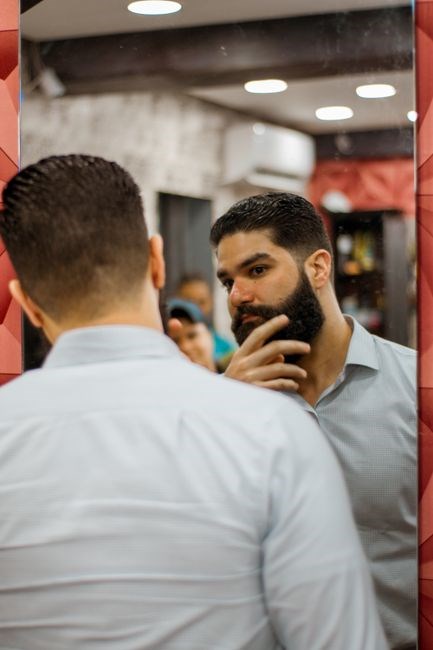
Beard growth often follows distinct patterns that can be mapped to genetics, hormones, and lifestyle. The most frequent pattern is the “full‑face” growth, where hair appears on the cheeks, chin, and upper lip, creating a dense, symmetrical look. Men with this pattern typically experience rapid follicular activity, allowing them to reach a mature beard within a few months. Another common trend is the “patchy” growth, where the beard shows uneven coverage, especially around the sides and jawline. This can result from a lower follicle density or hormonal variations that cause some areas to grow slower. A third pattern is the “stubble‑only” growth, where the beard remains short and fine, often due to a naturally low growth rate or a preference for a clean‑cut look; Men with stubble growth may still enjoy a well‑defined line but will need frequent trimming to maintain the style. Understanding these patterns helps in choosing the right grooming strategy. For full‑face growth, regular conditioning and light trimming keep the beard soft and prevent split ends. Patchy growth benefits from targeted trimming and the use of beard oils that promote even follicle health. Stubble growth requires a precise trimmer and a daily brushing routine to keep the hair aligned and reduce irritation. By recognizing which pattern you fall into, you can tailor your routine to enhance density, reduce breakage, and achieve a polished appearance that reflects your natural beard potential. Seasonal changes can also influence beard texture, with winter dryness often making hairs feel coarser, while summer humidity may soften the overall feel and.

Daily Beard Maintenance
Wash with mild shampoo, apply conditioner, rinse, then pat dry. Brush daily with a natural‑bristle brush to lift dandruff, spread oils, and align hairs. Comb from chin upward to reveal uneven growth. Trim edges weekly for a clean, polished look. Keep it tidy daily, trim.now!
Washing and Conditioning

Finally, trim every 4–6 weeks to keep the beard sharp today. for confidenc
Thank you.
Enjoy a healthy beard journey! 🙂
Brushing is the cornerstone of a tidy beard. A natural‑bristle brush pulls down split ends, distributes sebum, and removes debris that can cause irritation. Start by brushing from the roots to the tips, working in the direction of hair growth. This prevents tugging and reduces the risk of ingrown hairs. Use a light, upward stroke on the cheeks and chin to lift the hair and reveal any uneven patches.
Brushing and Combing Techniques
Combing is best performed after washing or brushing. Hold the beard at the base and comb upward, then sweep outward to shape the neckline and cheek lines. A fine‑toothed comb works well for trimming, while a wide‑toothed comb is ideal for detangling thicker growth.
- Daily routine: Brush twice a day—morning and before bed to maintain shape and reduce static.
- Technique tip: For a clean neckline, comb the lower beard upward and trim any stray hairs that fall below the jawline.

Incorporating these brushing and combing steps into your daily regimen keeps the beard looking polished, reduces irritation, and encourages healthy growth.
Remember, consistency is the secret to a well‑maintained beard. By integrating brushing and combing into your daily routine, you not only keep your facial hair neat but also promote circulation and healthy follicle growth. A disciplined approach yields a beard that feels soft, looks sharp, and stands out in any setting. Make it a habit, and the results will speak for themselves. Stay daily results follow.

Beard Styling Tips for a Groomed Look
Choose a shape that complements your face: square for angular, round for softer lines. Trim the edges with a precision trimmer, keeping the length even. Use a beard oil to soften, then brush to set the style. Regular trims every 4–6 weeks maintain definition. Keep lines clean and avoid trimDailycare matter
Choosing the Right Beard Shape

When selecting a beard silhouette, consider your jawline, cheekbones, and overall face geometry. A square jaw often pairs well with a structured, trimmed beard that accentuates the angles, while a round face benefits from a fuller, rounded beard that adds height and elongates the face. The length of the beard should harmonize with the width of your face: longer beards on narrower faces can create balance, whereas shorter styles on broader faces can prevent a bulky appearance. Use a mirror to visualize how different shapes—such as a goatee, a full beard, a van Dyke, or a stubble—can fit your natural hair growth pattern. Pay attention to the density of hair on the chin and cheeks; uneven growth may require trimming or shaping to avoid a patchy look. A well‑defined neckline, typically a straight line just above the Adam’s apple, keeps the beard looking intentional. The mustache should complement the beard’s shape, either matching its length or forming a contrasting line that frames the mouth. If you have a prominent Adam’s apple, a slightly shorter beard can keep the focus on your face rather than the neck. Finally, experiment with different combing and brushing techniques to keep the hair lying flat and reduce frizz. Consistency in trimming and maintenance will preserve the chosen shape and keep it looking sharp over time. A well‑maintained beard not only sharpens your profile but also signals confidence, turning everyday encounters into opportunities to showcase your style and personality in every setting. with flair!!
Maintaining Length and Trim Lines
Keeping a beard at the right length and with clean trim lines is essential for a professional, well‑groomed look. Begin by choosing a guard length that reflects the style you want—short stubble often uses a 2–3 mm guard, while a fuller beard may require a 5–7 mm setting. The key is consistency: use the same guard on every trim to avoid uneven growth. For the neckline, draw a straight line just above the Adam’s apple; a common technique is to place the trimmer’s guard at a 45‑degree angle and sweep downward, creating a crisp, symmetrical edge. The cheek line should follow the natural hair growth; trim any stray hairs that extend beyond the desired shape, but leave a little buffer to prevent a harsh line. A fine‑toothed comb or a beard brush lifts the hair and reveals the true length, making it easier to spot uneven spots. After trimming, rinse the beard with cool water and apply a light beard oil or balm; this softens the cut edges and reduces irritation. Clean your trimmer blades after each use to avoid bacterial buildup. A disciplined routine not only preserves length but also reinforces the beard’s structure, giving you a consistently sharp appearance that complements any outfit or occasion.
When trimming, work from the outer edges inward, letting the natural hair fall guide the shape and avoid abrupt lines that look uneven smoothly!!
Remember, a well‑trimmed beard projects confidence and attention to detail, making every interaction feel polished and purposeful.
Such meticulous care keeps your beard tidy, healthy, and a true reflection of your style!!

Common Beard Care Issues and Solutions
Daily washing, conditioning, and proper trimming prevent irritation, ingrown hairs, and patchiness. Use a gentle cleanser, a lightweight beard oil, and a fine‑toothed comb to keep skin clear and beard healthy. Trim regularly and moisturize to avoid flaking.!!
Irritation, Ingrown Hairs, and Patchiness
Men often face irritation, ingrown hairs, and patchiness when their beard grows unevenly or is neglected. The first step is to keep the skin underneath clean and hydrated. Use a mild, sulfate‑free cleanser twice a day and follow with a lightweight, alcohol‑free moisturizer that contains soothing ingredients such as aloe, chamomile, or calendula. A well‑conditioned skin barrier reduces the likelihood of follicular inflammation and the painful bumps that accompany ingrown hairs. After cleansing, apply a gentle, oil‑based beard oil that contains jojoba, argan, or grapeseed oil. These oils mimic the natural sebum produced by the skin, keeping the beard fibers soft and pliable, which discourages hairs from curling back into the follicle. When brushing, always use a natural‑bristle brush or a fine‑toothed comb, moving from the root toward the tip. This technique lifts the hairs, aligns them, and encourages straight growth; For patchy areas, a short, precise trim can even out density. Trim only a millimeter or two at a time, and use a trimmer with adjustable guard settings to maintain consistent length. If you notice a persistent patch, consider applying a small amount of tea tree oil or witch hazel to the spot; these ingredients possess antimicrobial properties that can help clear clogged pores and reduce redness. Finally, avoid shaving the beard too closely; a razor can cause micro‑cuts that lead to irritation and ingrown hairs. Instead, use a razor only for shaping the neckline or cheek line, and always apply a pre‑shave oil or balm to protect the skin. By combining proper cleansing, conditioning, gentle brushing, targeted trimming, and mindful product choices, you can eliminate most irritation, prevent ingrown hairs, and achieve a fuller, more even beard. When selecting products, look for ingredients that are free of harsh sulfates, parabens, and fragrances, as these can exacerbate irritation. Opt for natural oils, butters, and botanical extracts that soothe and nourish. A weekly beard mask containing honey, yogurt, or avocado can provide deep hydration and help smooth out uneven texture. Apply the mask once a week, leaving it on for 10–15 minutes before rinsing. Consistency is key; regular care prevents buildup of dead skin cells that can lead to clogged pores and subsequent patchiness. Additionally, maintain a balanced diet rich in vitamins A, C, E, and omega‑3 fatty acids, which support healthy hair growth and skin resilience. Hydration is also essential; aim for at least eight glasses of water daily to keep the skin supple. Remember, patience is vital; beard growth cycles can take weeks to months, so give your routine time to show results before making drastic changes. Also, avoid excessive heat from hair dryers or steamers, as high temperatures can dry out both skin and hair, leading to flakiness and sensitivity. A light touch of natural beeswax can help lock in moisture without heaviness. skin.
Product Recommendations for Sensitive Skin
When your beard and skin are prone to irritation, choosing the right products is essential. Start with a gentle sulfate‑free cleanser that is fragrance‑less; the Vanicream Gentle Facial Cleanser removes dirt without stripping oils. Follow with a lightweight, alcohol‑free moisturizer like La Roche‑Posay Toleriane Double Repair, which contains ceramides to calm redness and restore barrier function.
For beard oil, choose a blend with soothing botanical extracts. Honest Amish Beard Oil uses jojoba, argan, and grapeseed oils plus chamomile to calm inflammation. If you prefer a balm, Beardbrand Beard Balm provides shea butter and beeswax for hold, gentle on sensitive skin.
When trimming, use a trimmer with adjustable guard settings such as the Philips Norelco Multigroom 7000 to keep a consistent length. For combing, a natural‑bristle brush like the Kent Beard Brush distributes oils evenly and reduces tugging.
For patchy or uneven growth, a serum containing minoxidil can be used sparingly, but always patch‑test first. A mild, fragrance‑free serum like Rogaine 2% Minoxidil Foam can stimulate follicles without causing irritation. Pair this with a soothing after‑care lotion like Neutrogena Hydro Boost Gel‑Cream to lock in moisture.
Finally, avoid harsh chemicals and opt for products labeled “hypoallergenic” or “for sensitive skin.” Regularly replace your brush or comb to prevent bacterial buildup, and keep your beard trimmed at a manageable length to reduce friction. Consistent use of these carefully selected products will help maintain a healthy, irritation‑free beard! Use a fragrance‑free after‑shave balm to soothe the skin!