
Judith Weston’s influential guide‚ available as a PDF‚ bridges the gap between director and actor‚ emphasizing collaboration for compelling performances in film and television․
Overview of the Book’s Significance
“Directing Actors”‚ often found as a PDF resource‚ revolutionized on-set communication․ Weston’s work dismantles the traditional director-as-authority model‚ advocating for a collaborative process․ The book’s enduring impact stems from its practical techniques‚ empowering filmmakers to unlock authentic performances․ It addresses the anxieties surrounding actor direction‚ offering tools for building trust and navigating emotional complexities․
Judith Weston’s Background and Expertise
Judith Weston‚ author of the widely-read “Directing Actors” (available in PDF format)‚ boasts over three decades of experience as a teacher and mentor․ She’s guided directors‚ actors‚ and screenwriters‚ sharing her insights across Europe and the US․ Weston’s expertise lies in understanding the actor’s process and fostering effective communication on set‚ making her a highly sought-after consultant․
Core Principles of Weston’s Approach
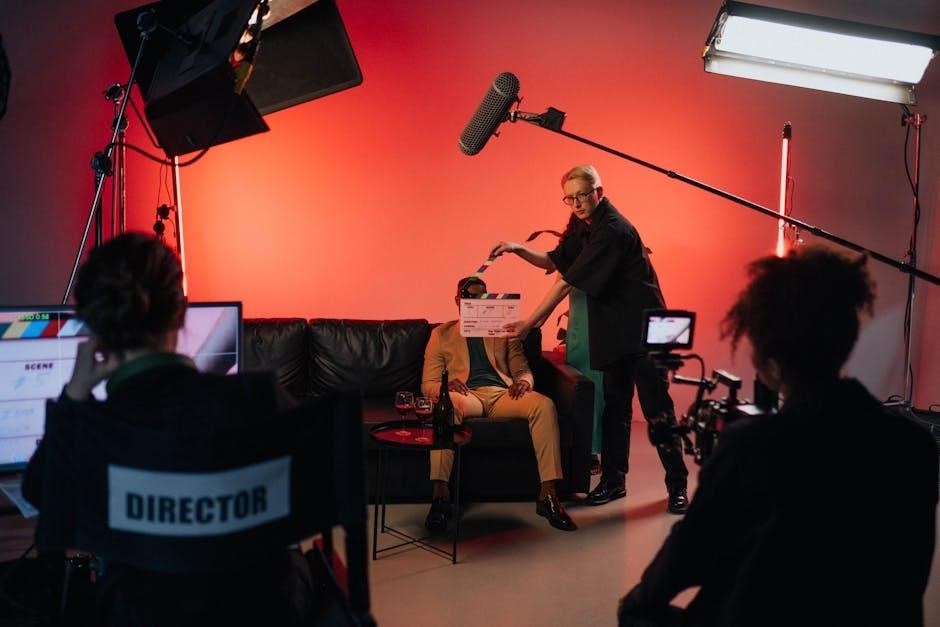
Weston’s method‚ detailed in “Directing Actors” (PDF)‚ centers on collaborative storytelling‚ recognizing the director‚ actor‚ and writer as interconnected partners․
Collaboration as the Foundation
Judith Weston’s “Directing Actors” (PDF) fundamentally asserts that directing isn’t about control‚ but fostering a dynamic partnership․ She champions a process where directors‚ actors‚ and writers mutually contribute to building a character’s inner life and truthful behavior․ This collaborative spirit‚ she argues‚ unlocks nuanced performances‚ moving beyond technical instruction to genuine emotional resonance‚ creating a supportive environment for creative risk-taking․
Understanding the Actor’s Process
Judith Weston’s work‚ detailed in “Directing Actors” (PDF)‚ stresses that directors must comprehend how actors actually work․ She moves beyond simplistic notions of “getting the actor to feel‚” advocating for understanding their individual techniques for accessing emotion and building character․ Recognizing these unique processes allows directors to offer targeted‚ helpful guidance‚ rather than generic direction․
Techniques for Effective Direction
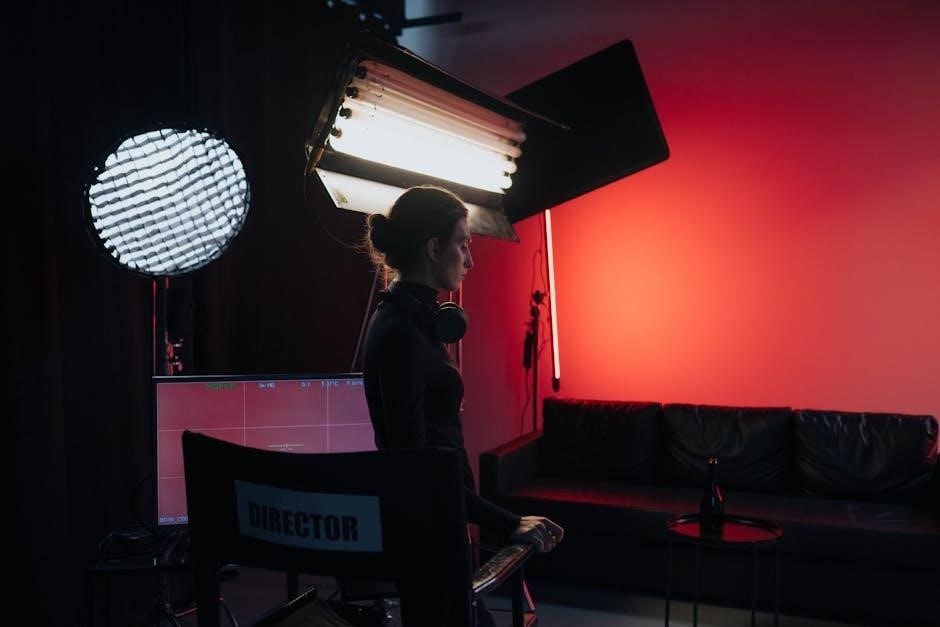
“Directing Actors” (PDF) advocates for precise‚ actionable direction‚ moving beyond vague requests; Weston champions clarity and collaboration to unlock powerful performances․
Giving Clear and Specific Direction
Judith Weston’s “Directing Actors” (PDF) stresses avoiding ambiguous terms like “be more emotional․” Instead‚ directors should pinpoint what specifically needs adjustment—a physical action‚ a vocal quality‚ or a relational dynamic․
She encourages directors to translate internal states into observable behaviors‚ offering actors concrete tasks․ This approach‚ detailed in the PDF‚ fosters understanding and avoids frustrating vagueness‚ leading to nuanced and believable portrayals․
Using Imagery and Metaphor
Judith Weston’s work‚ accessible in the “Directing Actors” PDF‚ champions the power of imagery and metaphor to bypass intellectualization․ She advocates for evocative language—describing a feeling as a color‚ texture‚ or animal—to unlock an actor’s emotional life․
This technique‚ explored within the PDF‚ stimulates the subconscious‚ fostering authentic responses beyond forced emotion․ It’s a crucial tool for directors seeking nuanced performances‚ detailed in Weston’s practical guidance․

Analyzing the Script with Actors
Judith Weston’s PDF stresses collaborative script breakdown‚ focusing on character objectives and motivations‚ ensuring actors deeply understand their roles’ narrative function․
Breaking Down Scenes for Performance
Weston’s approach‚ detailed in her PDF‚ advocates dissecting scenes into “beats” – shifts in objective or tactic – to reveal underlying dynamics․ This method‚ collaboratively explored with actors‚ moves beyond literal interpretation․ It uncovers the character’s evolving needs within each moment‚ fostering nuanced performances․ Directors should pinpoint essential actions and emotional transitions‚ guiding actors toward truthful and compelling portrayals‚ avoiding superficial readings and encouraging active participation in scene construction․
Identifying the Character’s Objectives
Judith Weston’s PDF stresses that understanding a character’s objectives is paramount․ She encourages directors to move beyond surface-level motivations‚ probing for the “want” driving each action․ This isn’t simply what the character does‚ but why․ Collaborative exploration with actors reveals layers of need‚ shaping believable behavior․ Identifying obstacles to these objectives fuels dramatic tension and informs impactful performance choices․

Addressing Common Directing Challenges
Judith Weston’s PDF offers strategies for navigating difficulties‚ like actors who are “blocking‚” and provides guidance on sensitively handling emotionally demanding scenes․
Dealing with Actors Who Are “Blocking”
Judith Weston’s PDF details how “blocking” – an actor’s unconscious resistance – often stems from fear or misunderstanding․ She advocates for patient exploration‚ avoiding direct confrontation․ Instead‚ directors should investigate why an actor feels stuck‚ probing their objectives and anxieties․
Weston suggests re-framing direction as collaborative discovery‚ ensuring the actor feels safe to experiment․ Understanding the root cause‚ rather than forcing a performance‚ unlocks the actor’s potential and resolves the blockage effectively․
Handling Emotional Work
Judith Weston’s PDF stresses that directors shouldn’t tell actors how to feel‚ but facilitate access to genuine emotion․ She cautions against pushing for tears or specific displays‚ advocating for exploring the character’s circumstances and relationships․
Weston emphasizes creating a safe space for vulnerability‚ allowing actors to connect with their own experiences․ The director’s role is to ask insightful questions‚ prompting emotional recall organically‚ not manipulating it․
The Director-Actor Relationship
Judith Weston’s PDF highlights building trust as paramount; directors must foster a collaborative environment where actors feel safe to explore and take risks․
Building Trust and Rapport
Judith Weston’s work‚ accessible as a PDF‚ stresses that a director’s primary task is establishing a secure connection with actors․ This involves active listening‚ validating their choices‚ and creating a non-judgmental space․
She advocates for directors to demonstrate genuine curiosity about the actor’s process‚ fostering open communication․
Rapport isn’t about being liked‚ but about mutual respect and a shared commitment to truthful storytelling‚ as detailed in her guide․
Providing Constructive Feedback
Judith Weston’s PDF guide emphasizes feedback should be specific‚ behavioral‚ and focused on the effect of the performance‚ not personal judgment․ Avoid vague praise or criticism; instead‚ pinpoint what’s working or hindering the scene’s impact․
She advises framing notes as questions‚ encouraging actors to discover solutions themselves․
Constructive feedback‚ according to Weston‚ builds trust and empowers actors to refine their work collaboratively․

Weston’s View on Improvisation
Judith Weston’s PDF advocates using improvisation to unlock nuanced character choices‚ but stresses maintaining script fidelity as the primary goal․
Using Improvisation to Discover Nuance
Judith Weston’s approach‚ detailed in her PDF‚ champions improvisation not as rewriting the script‚ but as a discovery tool․ She encourages directors to use exercises allowing actors to explore character backstories and relationships organically․ This unveils unexpected emotional depths and behavioral subtleties‚ enriching the performance beyond the written word․
Balancing Improvisation with Script Fidelity
Judith Weston’s PDF stresses that improvisation serves the script‚ not replaces it․ She advocates for carefully structured exercises‚ ensuring discoveries enhance‚ not contradict‚ the playwright’s or screenwriter’s intentions․ Directors must guide actors back to the text‚ integrating improvisational insights to deliver nuanced performances firmly rooted in the established narrative framework․

The Role of the Director in Rehearsal
Judith Weston’s PDF highlights the director’s role as a facilitator‚ fostering a secure environment for experimentation and risk-taking‚ crucial for actor growth․
Creating a Safe and Supportive Environment
Judith Weston’s work‚ accessible as a PDF‚ underscores that a director’s primary task is establishing psychological safety․ Actors thrive when free from judgment‚ allowing vulnerability and exploration․ This involves attentive listening‚ respectful feedback‚ and acknowledging the actor’s process․
A supportive atmosphere‚ as detailed in the PDF‚ encourages risk-taking and nuanced performances‚ ultimately benefiting the entire production․
Experimentation and Risk-Taking
Judith Weston’s PDF guide champions experimentation as vital for unlocking authentic performances․ She advocates for directors to encourage actors to explore diverse choices‚ even those seemingly “wrong‚” fostering a playful environment․
This willingness to embrace risk‚ detailed within the PDF‚ allows actors to discover unexpected nuances and break free from predictable patterns‚ enriching the final result․

Applying Weston’s Techniques to Film and Television
Judith Weston’s PDF details adapting collaborative direction to each medium‚ recognizing film’s visual focus and television’s pace‚ while maintaining actor connection;
Differences in Directing for Each Medium
Judith Weston’s work‚ accessible as a PDF‚ highlights that film directing prioritizes visual storytelling and allows for extensive rehearsal‚ fostering nuanced performances․ Conversely‚ television often demands quicker turnaround times and adjustments on set due to scheduling constraints․
Weston emphasizes adapting direction; film benefits from detailed script analysis with actors‚ while television requires flexibility and efficient communication․ Both mediums‚ however‚ necessitate building trust and understanding the actor’s process‚ as detailed in her guide․
Adapting the Approach to Different Genres
Judith Weston’s PDF guide stresses tailoring direction to genre․ For dramatic roles‚ she advocates deep emotional exploration and character backstory work with actors․ Conversely‚ comedic timing requires precise adjustments and collaborative improvisation․
Weston emphasizes that action genres demand physical preparation and clear communication of stunt work․ Regardless of genre‚ her core principles – collaboration‚ understanding the actor’s process – remain vital for eliciting authentic performances․
Criticisms and Limitations of the Approach
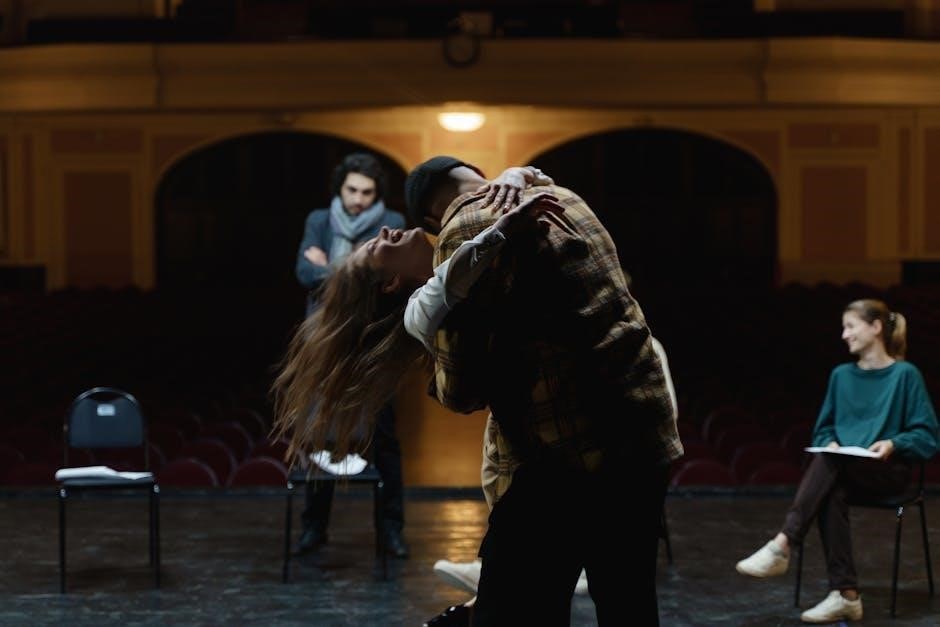
Judith Weston’s PDF can lead to over-analysis‚ potentially stifling spontaneity; some argue intuition is crucial‚ complementing her detailed techniques for directing actors․
Potential for Over-Analysis
Judith Weston’s methods‚ detailed within the PDF version of “Directing Actors‚” while insightful‚ risk excessive intellectualization of the acting process․ Critics suggest a relentless focus on objectives and tactics can hinder an actor’s natural instincts and emotional availability․ The detailed breakdown‚ though valuable‚ might inadvertently create a performance that feels constructed rather than lived․ Finding balance—applying Weston’s tools without suffocating spontaneity—is key to avoiding this pitfall‚ ensuring authentic portrayals emerge․
The Importance of Intuition
Despite Judith Weston’s analytical approach—thoroughly explained in the “Directing Actors” PDF—she acknowledges the crucial role of intuition․ While detailed script analysis and objective work are vital‚ directors must also trust their gut feelings about an actor’s choices․ Recognizing when to push further and when to allow a performance to unfold organically requires a delicate balance‚ complementing Weston’s techniques with instinctive understanding․
Legacy and Influence of “Directing Actors”
Judith Weston’s “Directing Actors” PDF remains a cornerstone of film education‚ profoundly impacting how directors approach collaboration and actor development․
Impact on Film Education
Judith Weston’s “Directing Actors‚” widely available as a PDF‚ has become essential reading in film schools globally․ The book’s focus on actor collaboration and understanding their process revolutionized teaching methodologies․ It moved beyond technical instruction‚ emphasizing psychological insight and communication skills for directors․ Students now analyze scenes with actors‚ focusing on objectives and emotional truth‚ directly applying Weston’s techniques․ Her work fostered a more empathetic and effective approach to directing‚ shaping a generation of filmmakers․
Continued Relevance in Contemporary Filmmaking
Despite evolving filmmaking techniques‚ Judith Weston’s “Directing Actors” – often accessed as a PDF – remains remarkably relevant․ The core principles of collaboration and understanding the actor’s inner life are timeless․ Contemporary directors still grapple with building trust and providing constructive feedback․ Weston’s methods offer a practical framework for navigating these challenges‚ ensuring authentic and nuanced performances‚ proving its enduring value in modern production․
Resources for Further Study
Judith Weston’s related works‚ including “The Film Director’s Intuition‚” and the widely available PDF of “Directing Actors‚” offer deeper insights into her techniques․
Related Books and Articles by Judith Weston
Judith Weston expands upon the principles in “Directing Actors” with “The Film Director’s Intuition‚” exploring the subconscious elements of filmmaking․ Accessing a PDF version of “Directing Actors” provides a foundational understanding of her collaborative approach․ Her writings consistently emphasize understanding the actor’s process and fostering a safe‚ experimental rehearsal environment․ Further exploration of her work reveals a dedication to bridging communication gaps and unlocking authentic performances‚ benefiting both emerging and experienced filmmakers․
Online Communities and Workshops
While dedicated online communities specifically for Judith Weston’s “Directing Actors” are emerging‚ film discussion forums often feature threads analyzing her techniques․ Searching for workshops inspired by her methods can yield valuable learning opportunities․ Accessing a PDF of the book allows for focused study‚ complementing practical application․ Consider online acting classes to enhance understanding of the actor’s perspective‚ enriching your directorial approach and collaborative skills․